 M01
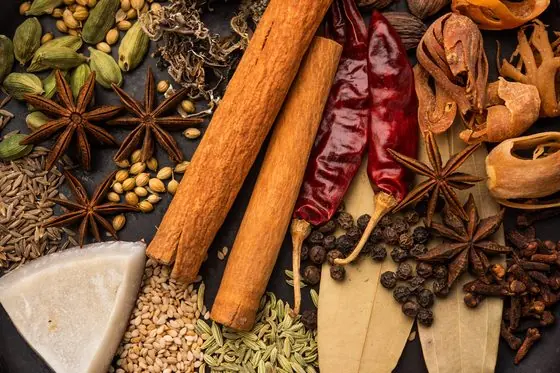
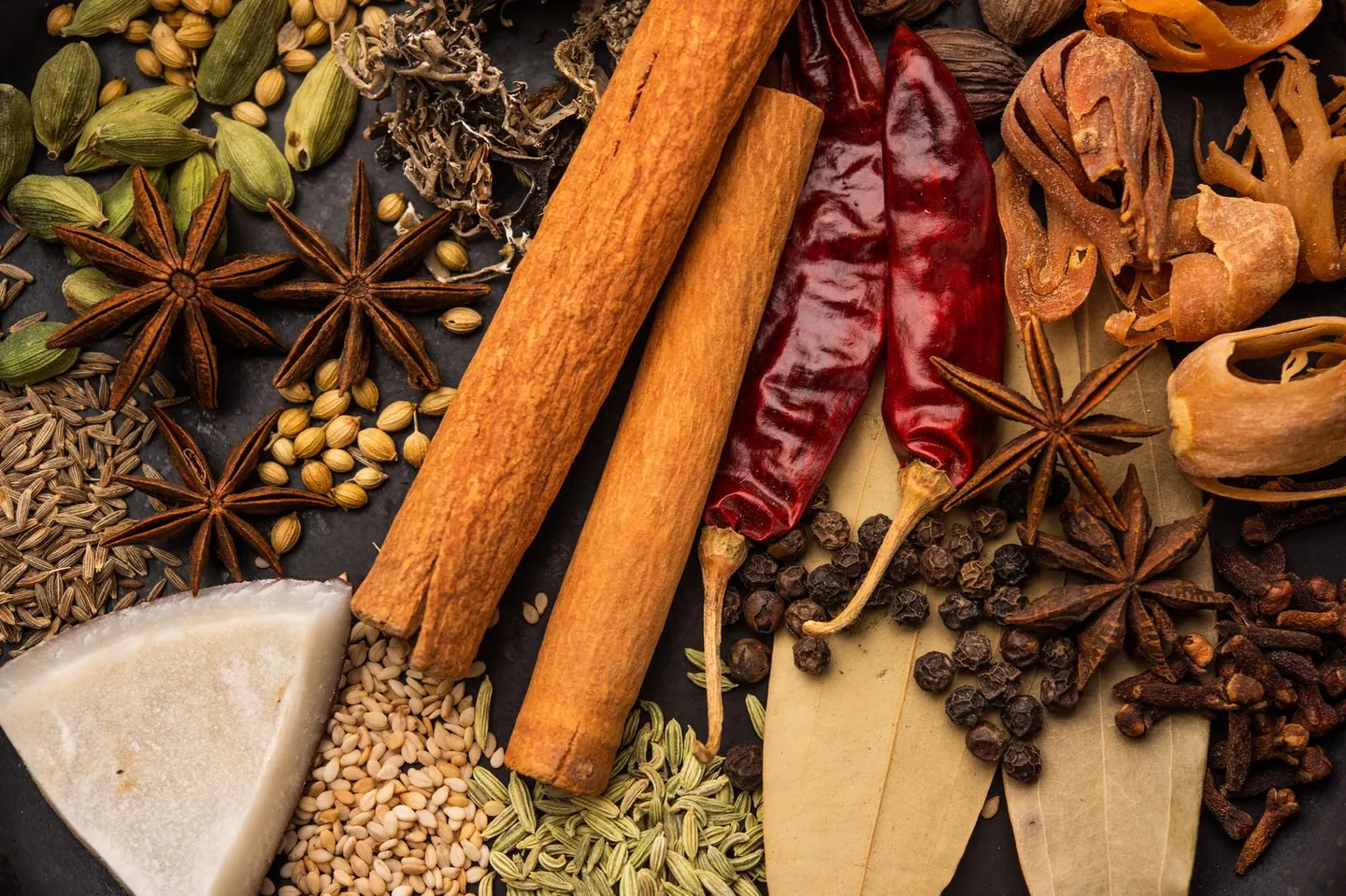
M01Kerala Garam Masala
The southern register — aromatic, not earthy
M13
The free ingredient in every fishmonger's bin
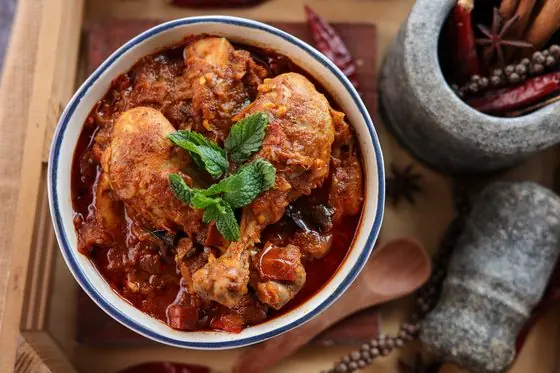
Photograph: Adobe Stock · representative of the dish
The free ingredient in every fishmonger's bin [LOW SODIUM]
Kerala cooks the whole fish and always has — meen thala curry, fish head in the toddy shop, small backwater fish eaten bones and all. What Kerala does not traditionally do is extract those heads and frames into a stock and cook with it, and it is the cheapest upgrade in this book. Twenty-five minutes, no salt, and a litre of liquid that makes the next three curries taste as though they were simmered for an hour.
Before you start: Rinse the frames under cold running water until no blood comes away, 2–3 minutes. Blood is what makes fish stock bitter and cloudy, and nothing later removes it.
Allergens: Fish.
Equipment: Wide heavy 4-litre pan; fine sieve. Do not use an unglazed clay pot: the fish flavour will move into the wall and into every curry you cook in it afterwards.
White-fleshed fish only. Oily fish — mackerel, sardine, tuna — make a stock that is strong, grey and fishy in the wrong way, and their fat oxidises within a day. Any fishmonger will usually give frames and heads away, and a supermarket counter will fillet a whole fish and hand back the bones if you ask. Gills must come out: they hold blood and grit.
Blood pressure: an unsalted stock is the best way to build savour without sodium, which is why this sits in the low-sodium half of the chapter. Commercial fish or seafood stock cubes commonly carry 300–700 mg of sodium each, which defeats the purpose entirely.
Prawn heads and shells for fish frames → sweeter, pinker, more assertive; roast them dry 3–4 minutes first. Excellent for theeyal. (Allergen: this swap introduces crustaceans.)
No frames available → M14 plus 10 g powdered dried prawn at step 4 for a marine note. Dried prawn is salted, so drop any salt later in the dish. (Allergen: this swap introduces crustaceans.)
Third coconut milk from M08 in place of 400 ml of the water → richer, for moilee and mappas, and it keeps two days rather than three.
Fridge 3 days covered. Freeze 3 months, in 250 ml portions or as an ice-cube tray of concentrate. Reduce by half and freeze if space is short: 550 ml of concentrate is as useful as 1.1 litres of stock.
Fish stock is itself a leftover — heads and frames that were going in the bin — so what matters is what happens to the stock. Reduce whatever is left by half, freeze it in an ice tray, and two cubes will lift any fish curry. It keeps 24 hours in the fridge and no longer; fish stock spoils faster than meat stock and its smell tells you plainly.
Cloudy: it boiled, or the solids were pressed. It still tastes fine.
Bitter: the gills stayed in, the frames were not rinsed, or it simmered past 30 minutes.
Strongly fishy rather than sweet: oily fish, or frames that were not fresh. This is a same-day preparation from same-day fish.
Serve with
R025 Meen Moilee · R030 Neymeen Mango Curry · R032 Chemmeen Theeyal · R035 Fish Mappas — and, more broadly, mussel and clam preparations, seafood kanji, and as the cooking liquid for rice served with fish.
Tap a star to rate this recipe
The Kindle edition is on its way. Until it lands, the complete book — all 25 chapters and 137 recipes — is free to read here, and it stays free after.