 M01
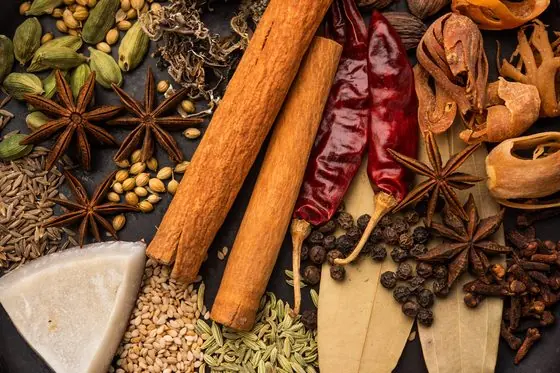
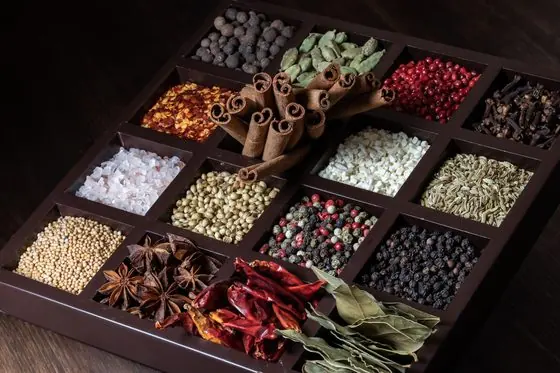
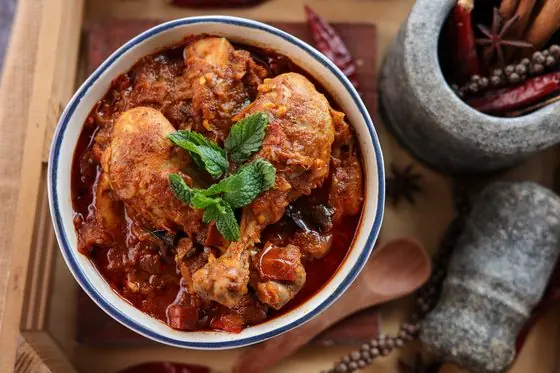
M01Kerala Garam Masala
The southern register — aromatic, not earthy
M12
A higher-fibre hybrid, and a different animal to handle
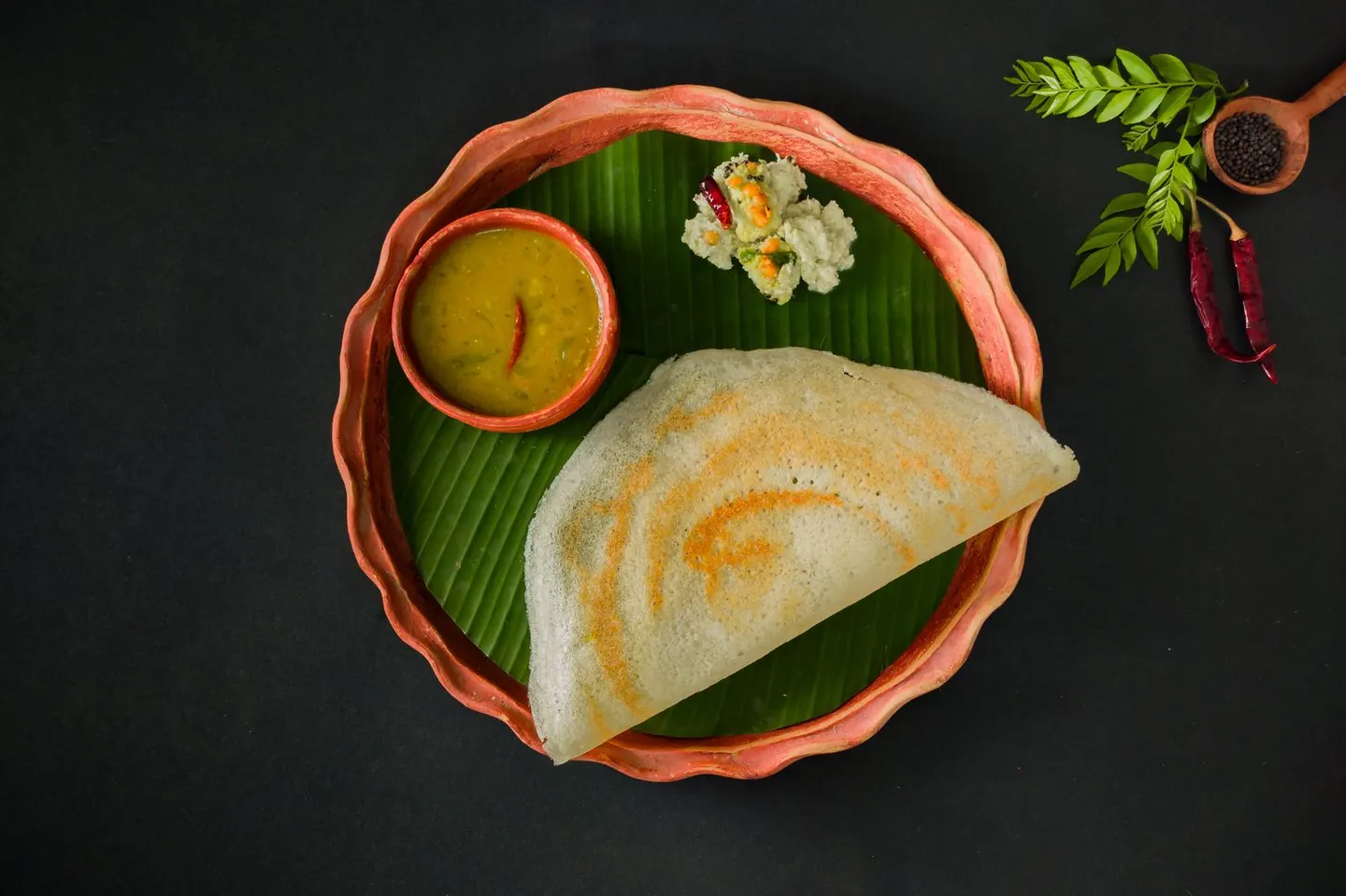
Photograph: Adobe Stock · representative of the dish
Plan ahead: including 4–6 hours soaking and 8–12 hours fermentation — both required.
A higher-fibre hybrid, and a different animal to handle [LOW SODIUM] [VEGAN]
Ragi is not a substitute for rice and this is not a substitute for M11. It is its own thing — darker, earthier, faintly cocoa-like, soft rather than crisp — and it behaves differently in every respect that matters at the griddle. Millets have a real but modest advantage over polished rice on glycaemic response, and the enthusiasm currently attached to them outruns the data.
Before you start: Read the handling note in the swaps before you spread the first one. This batter does not behave like M11, and being surprised at the griddle is how the first three go in the bin.
Allergens: None of the major allergens.
Equipment: Wet grinder or blender; heavy flat griddle. A well-seasoned iron griddle matters more here than for M11 — ragi batter sticks to anything less.
Ragi flour is stocked by every Indian grocer and most health-food shops as finger millet or nachni flour. Buy small quantities — it is high in fat for a flour and goes rancid within about three months, and rancid ragi tastes of old paint. Whole ragi grain works instead at 90 g, soaked 8–10 hours and ground with the rice, giving better flavour and a coarser dosa.
Blood sugar: a fair account is that this dosa is somewhat better than a white-rice dosa and that the difference is small. The larger lever is what sits beside it — a kadala curry or a sambar with real dal will do more for the meal's glycaemic load than the flour swap did.
Iron and calcium: ragi is a useful source of both and the fermentation improves access to them. That is a compositional statement, not a claim about any condition.
Whole ragi grain for flour → better flavour, coarser texture, 8 hours soaking.
Jowar or bajra for the ragi → both work; bajra is stronger and slightly bitter, jowar milder and paler.
Handling note, plainly: if you want a crisp dosa, this is the wrong batter. Ragi's fibre and slow water uptake give a soft, pliable dosa with a chewy edge. For crispness drop the ragi to 60 g and add 20 g rice flour, and accept that you have made something closer to M11.
Fridge 3 days — a day less than M11, because ragi sours faster and turns claggy. Freeze the cooked dosas 1 month, interleaved with paper. Use within 24 hours of the ferment finishing for the best texture. Refrigerate as soon as it has risen, and apply the same discard rules as M11: sharply putrid rather than sour, pink or grey or fuzzy on the surface, or left out overnight in a warm kitchen after the ferment finished.
Ragi batter is best on the day it is ground and acceptable on the next. Left longer it goes noticeably sour and the ragi turns claggy, so cook the remainder off as thicker, smaller dosas rather than saving it again. Cooked dosas freeze between sheets of parchment and reheat dry on a hot tawa.
Gritty flecks: the ragi went in dry. Whisk it into water separately.
Sticks and tears: griddle not hot enough, or not enough seasoning on the iron. Ragi is unforgiving here.
Barely rose: normal for this blend. Judge by smell and bubbles.
Bitter, paint-like taste: the ragi flour is rancid. Nothing will fix it.
Serve with
R008 Ragi Dosa · R009 Oats and Matta Dosa · R011 Cherupayar Curry · R093 Coconut Chutney, Rebuilt — and, more broadly, any dosa where the point is a higher-fibre grain rather than a whiter one.
Tap a star to rate this recipe
The Kindle edition is on its way. Until it lands, the complete book — all 25 chapters and 137 recipes — is free to read here, and it stays free after.