 M01
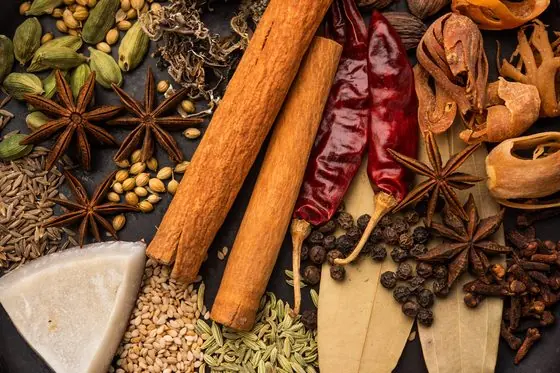
M01Kerala Garam Masala
The southern register — aromatic, not earthy
M07
Seventy per cent sodium chloride, thirty per cent potassium chloride
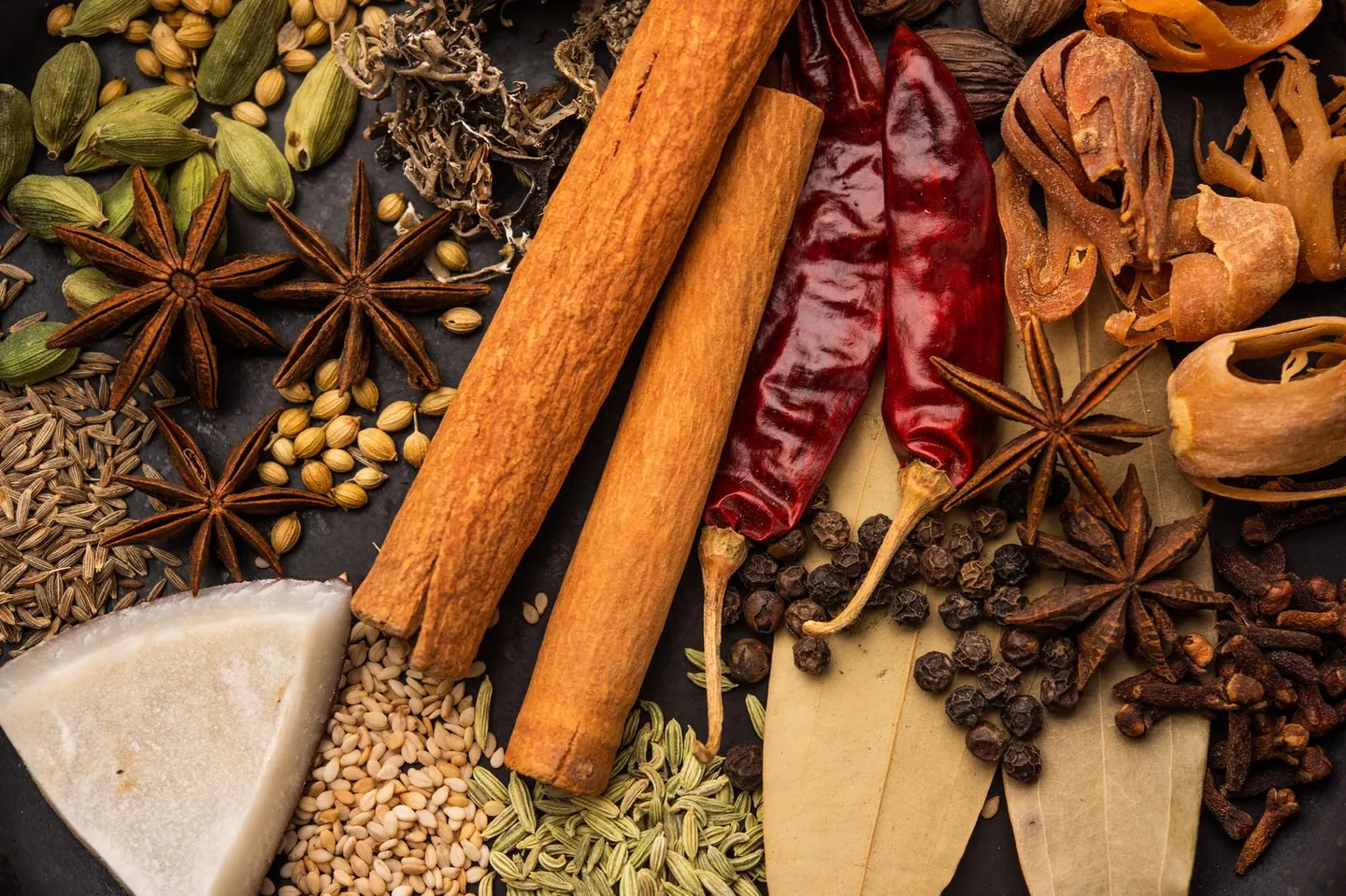
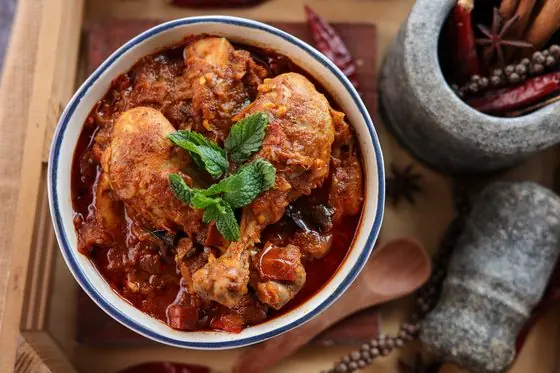
Photograph: Adobe Stock · representative of the dish
Seventy per cent sodium chloride, thirty per cent potassium chloride [VEGAN]
> ## READ THIS BEFORE YOU MAKE IT > Potassium-enriched salt is not for everyone. Do not use this blend, or any potassium-based salt substitute, without your doctor's approval if you have chronic kidney disease, or if you take a RAAS inhibitor — an ACE inhibitor (names ending -pril, such as enalapril or ramipril) or an angiotensin receptor blocker (names ending -sartan, such as losartan or telmisartan) — or a potassium-sparing diuretic (spironolactone, eplerenone, amiloride), or a potassium supplement. All of these raise the risk of hyperkalaemia, a high blood potassium level, which can be dangerous. If you are not certain what your medicines are, ask the pharmacist who dispenses them before you make this jar. This book does not tell anyone to change or stop a medicine.
This is the most consequential single swap in the book, and the evidence is unusually direct. The Salt Substitute and Stroke Study randomised 20,995 participants in 600 Chinese villages — all with a previous stroke, or aged 60 and over with poorly controlled blood pressure — to a 70% sodium chloride / 30% potassium chloride substitute or to regular salt, and followed them for a mean of 4.7 years. Stroke fell 14%, major adverse cardiovascular events 13%, and all-cause mortality 12% (Neal et al., 2021). Hyperkalaemia events did not differ significantly between groups — in a population screened for normal renal function, which is exactly why the carve-out above exists.
Allergens: None of the major allergens.
Equipment: Digital scale reading to 1 g; dry glass jar with a tight lid. No substitute for the scale: eyeballing this blend is how you end up at 50:50 and taste it.
Food-grade potassium chloride is sold as "potassium salt" or "low-sodium salt substitute" in pharmacies, health-food shops and online, and as lo-salt style products in most Western supermarkets. Read the label: many commercial low-sodium salts are already a sodium–potassium blend, in which case you are buying this ready-made and should not add further sodium chloride. Never use potassium chloride sold for water softeners, de-icing or laboratory use.
Blood pressure: switching every gram of salt in your cooking to this blend cuts sodium 30% at no effort. A household using 8 g of salt a day drops from about 3,150 mg to about 2,200 mg of sodium without changing a recipe. That is additive with the DASH-style pattern this book is built on, and most of the gain from sodium reduction comes below 2,300 mg a day.
Kidney disease or RAAS inhibitors: do not use this. Re-read the box above.
80:20 → gentler on the palate, less benefit, and a sensible starting ratio for a household that objects to the taste. Move to 70:30 over a month.
Commercial low-sodium salt → often already 66:34 or similar. Use it as bought; do not blend it with more table salt.
Cannot use potassium salt at all → Chapter 10 and M06 are for you. Acid, aroma, pungency and gradual reduction get most of the way there.
Cupboard indefinitely — salt does not spoil. Replace the desiccant every 3 months. Do not freeze; condensation on thawing will cake the jar solid.
There are no leftovers, only a jar that clumps in a humid kitchen. Break the clumps with the back of a spoon, add a few grains of dry rice to the jar, and keep it away from the steam of the hob. If it has hardened into a solid block, spread it on a tray in a low oven for 10 minutes, cool completely and re-jar.
Metallic aftertaste: the blend separated in the jar, or you are using it as a finishing salt. Shake it, and finish with plain salt.
Caked: moisture. Dry on a tray at 100°C (210°F) for 20–25 minutes, cool completely, break up and re-jar.
Serve with
R015 Matta Rice, Properly Cooked · R063 Cabbage Thoran · R059 Sambar · R040 Nadan Kozhi Curry · R117 Sadya Parippu with Ghee — and, in fact, every savoury recipe in this book that calls for salt, unless the safety box above applies to you.
Tap a star to rate this recipe
The Kindle edition is on its way. Until it lands, the complete book — all 25 chapters and 137 recipes — is free to read here, and it stays free after.