 R064
R064Beans Thoran
French beans cut fine, with coconut and cumin
Recipes › Vegetables: The Half of the Plate
R063
The master thoran: shredded cabbage, crushed coconut, turmeric
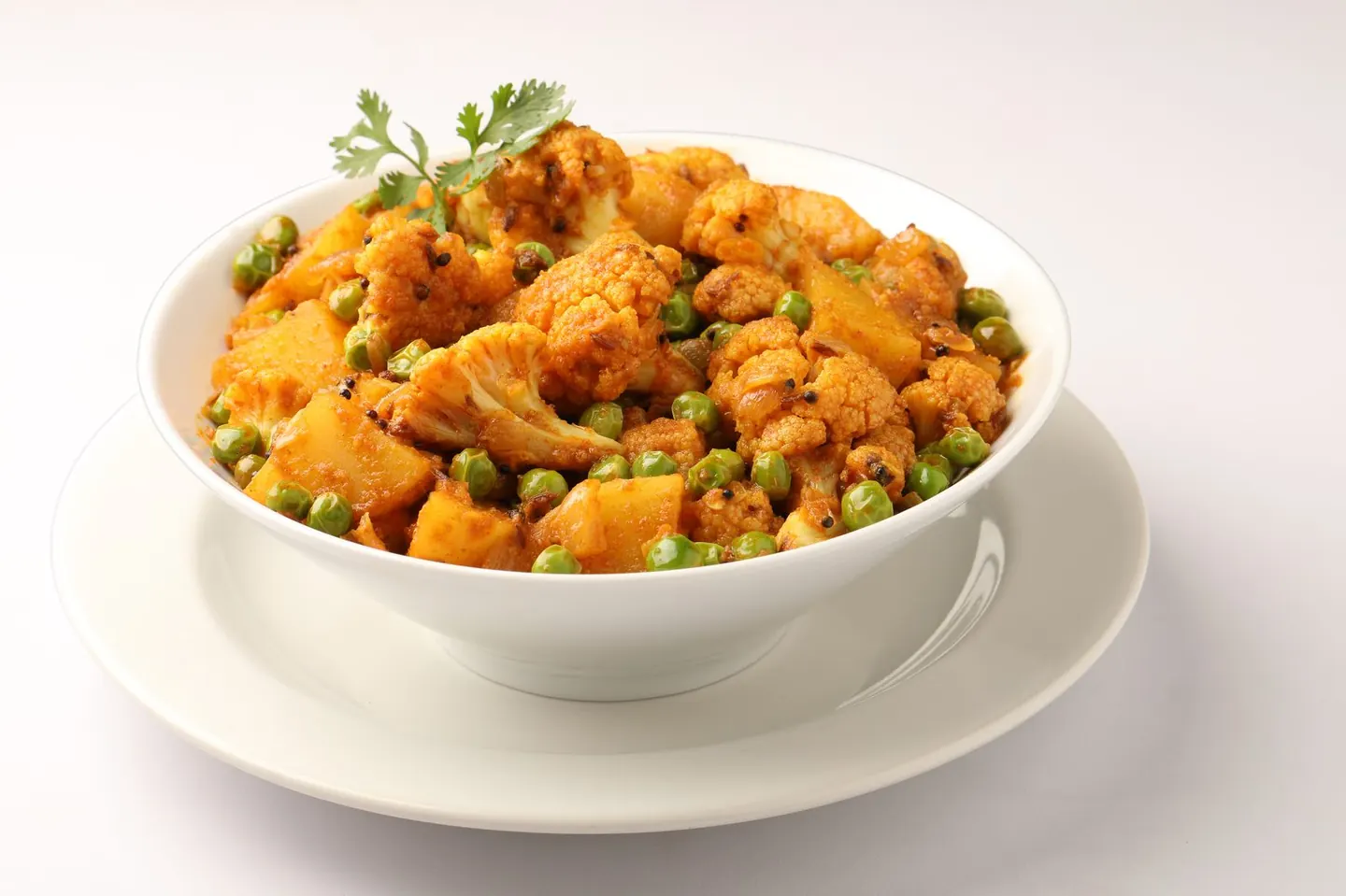
Photograph: Adobe Stock · representative of the dish
Learn this one properly and you have learned six. A thoran is not a stir-fry: nothing is fried and no water is added. The cabbage cooks in the moisture it already contains, under a lid, while a coarse crush of coconut, green chilli and shallot waits to go in at the end. Every other thoran in this chapter changes the vegetable and the cutting, and leaves this method alone. Get the two cues right — dry pan at the finish, cabbage still with bite — and it is a ten-minute dish you will make weekly.
Before you start: The tempering and the crush both need to be ready before the pan goes on. Crush the coconut mixture first, shred the cabbage second, and keep them in separate bowls within reach.
Allergens: Mustard.
Equipment: Wide heavy pan or cheena chatti, 26 cm, with a lid; chattuvam or flat wooden turner. Substitute: any wide pan and a wooden spatula. Avoid a metal spatula, which bruises and breaks the vegetable and turns a thoran to mush.
| Energy | 110 kcal |
| Protein | 2.6 g |
| Fibre | 5.0 g |
| Net carbohydrate | 6.8 g |
| Total carbohydrate | 11.8 g |
| Sugars | 5.7 g |
| Fat | 8.0 g |
| Saturated fat | 6.7 g |
| Sodium | 280 mg |
From ICMR-NIN IFCT 2017 and USDA FoodData Central. Per-serving figures stay the same when you scale.
Any tight green cabbage works, and a Western supermarket white or Savoy cabbage is closer to Kerala cabbage than you would expect. Avoid red cabbage, which bleeds and turns the coconut grey. Frozen grated coconut, thawed, is the right choice outside Kerala and is used in this book without apology; desiccated coconut is not a substitute here, because the dish depends on the coconut still holding water. If desiccated is all you have, use 25 g soaked in 25 ml warm water for 10 minutes, and accept a drier, sweeter result.
Blood sugar: 6.8 g of net carbohydrate for a 120 g serving. This is the dish that makes a smaller rice portion tolerable, because it fills the same volume at a tenth of the density. Serve 150 g of it, not 80 g.
Blood pressure: 280 mg of sodium against a 2,000 mg daily target. Made with M07 it falls to about 210 mg, and dropping the salt to 1.5 g takes it near 180 mg without the dish tasting under-seasoned, because the shallot and chilli are doing seasoning work.
Cholesterol: 6.7 g of saturated fat is the honest cost of coconut in a thoran, and most of it is the coconut rather than the oil. Halving the coconut to 25 g and making up the volume with an extra 100 g of cabbage brings it to about 3.6 g, at a real cost in mouthfeel.
No fresh coconut → 25 g desiccated, soaked as above. The dish becomes drier and sweeter and loses the fresh-coconut aroma that is most of its character.
Coconut oil → groundnut or sesame oil. Saturated fat per serving drops from 6.7 g to about 4.7 g, and the dish stops tasting like a thoran. This is the one place in the book where coconut oil is the flavour rather than the medium, so make this swap for a weekday and not for a guest. (Allergen: this swap introduces peanuts, sesame.)
Cabbage → 500 g shredded white or Chinese cabbage, or 400 g grated chayote. Both work; chayote gives more water, so expect an extra 2–3 minutes uncovered.
Add 100 g cooked vanpayar at step 6 → protein rises about 2 g per serving and the plate gains its pulse. The best single addition to any thoran in this chapter.
At eight servings, cook in two pans rather than one. A single deep pan steams the cabbage into a wet heap, and no amount of uncovered cooking gets a thoran back once it has stewed.
Best within an hour of cooking. Fridge 3 days in a covered container. Freeze 1 month — it is safe and it thaws watery, so this is a last resort rather than a plan. Reheat dry in a pan for 3–4 minutes, never in a microwave with a lid on, which steams the coconut back into a paste.
Fold cold thoran into a dosa as it sets, or into scrambled egg. Two hundred grams of it turned through 100 g of cooked matta rice with a squeeze of lime is a lunch that needs nothing else except a pulse.
Wet and heavy: too small a pan, the lid left on too long, or water added. Uncover and cook it dry over a higher flame; you will recover most of it.
Gluey, pasty coconut: the crush was ground to a paste. Nothing rescues this batch. Pulse, do not grind, next time.
Cabbage grey and sulphurous: overcooked. Cabbage's sulphur compounds develop with time on heat, so the fix is a shorter cook and a higher flame, not a lower one.
Serve with
R015 Matta Rice · R058 Parippu Curry · R024 Meen Vevichathu · R107 Sambharam
Tap a star to rate this recipe
The Kindle edition is on its way. Until it lands, the complete book — all 25 chapters and 137 recipes — is free to read here, and it stays free after.