 R081
R081Moru Curry
Tempered buttermilk curry with ground coconut
Recipes › Curries, Pulissery and the Sour Family
R088
Tomato curry with shallots, coconut milk and mustard
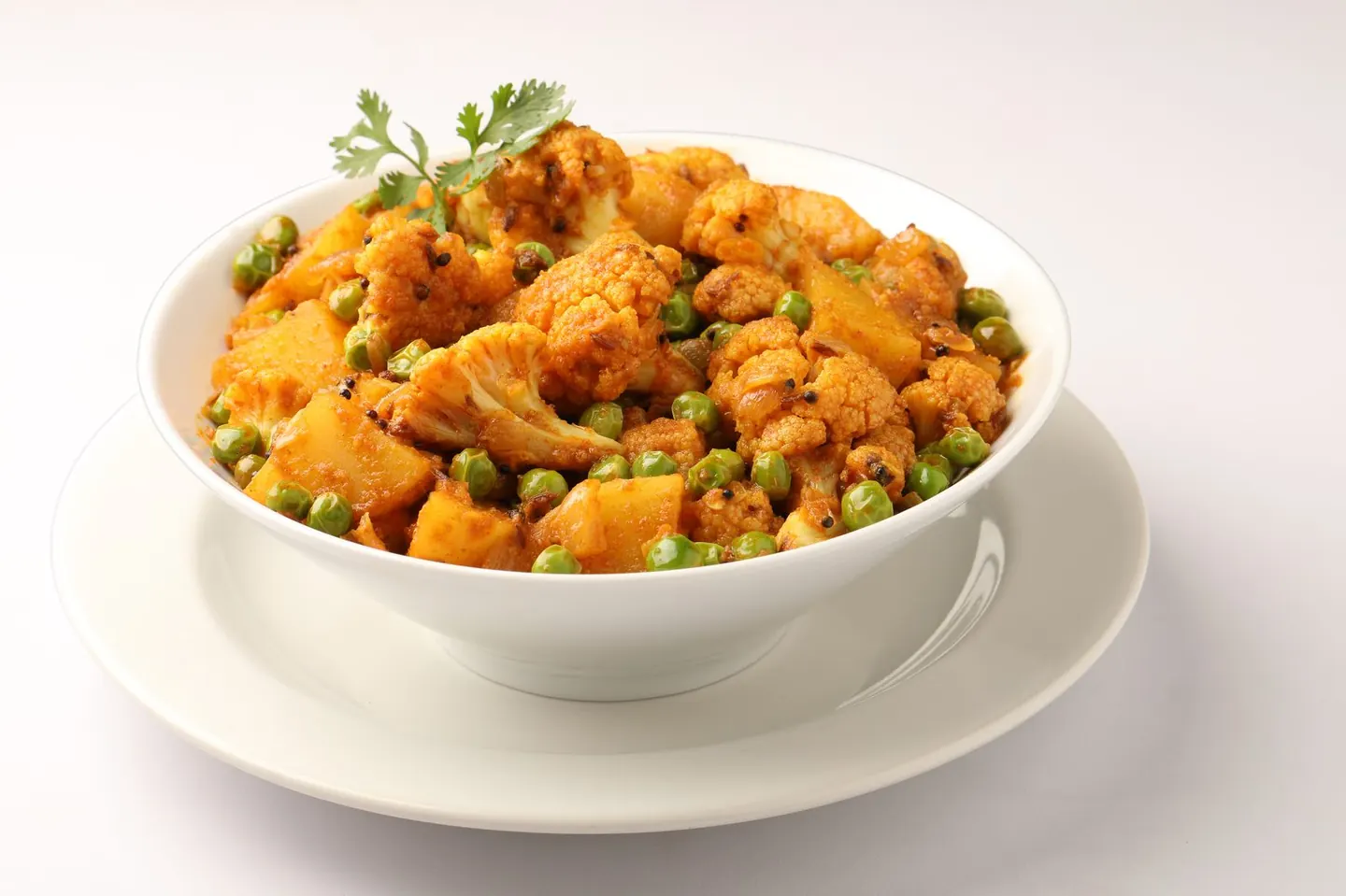
Photograph: Adobe Stock · representative of the dish
Tomato is a latecomer to Kerala. It is absent from the classical sadya and from a Kottayam kudampuli fish curry, and its presence in a "traditional" Kerala recipe is a reliable dating marker — it arrived with the Portuguese and took centuries to be admitted to everyday cooking. This dish is therefore modern by Kerala's standards and entirely at home now: a quick sour curry for a night when there is nothing in the house, at 104 kcal a portion, built on the fruit's own acidity rather than on tamarind or curd.
Before you start: Have the second-extraction coconut milk ready and set aside away from the hob. It goes in at the end, off a rolling boil, and there is no time to make it then.
Allergens: Mustard.
Equipment: Heavy 2-litre pan, non-reactive. Substitute: a manchatti is ideal; avoid bare cast iron and aluminium, which react with tomato acid and dull both flavour and colour.
| Energy | 104 kcal |
| Protein | 2.7 g |
| Fibre | 3.5 g |
| Net carbohydrate | 9.5 g |
| Total carbohydrate | 13.0 g |
| Sugars | 6.0 g |
| Fat | 5.7 g |
| Saturated fat | 4.4 g |
| Sodium | 220 mg |
From ICMR-NIN IFCT 2017 and USDA FoodData Central. Per-serving figures stay the same when you scale.
This dish is only as good as the tomatoes, and out of season the best available option is usually 400 g of tinned chopped tomatoes plus 150 g of fresh — the tinned fruit is picked ripe and carries more acid and more body than a pale winter tomato. Check the tin for added salt and count it: many carry 200 mg of sodium per 100 g. For the coconut milk, M08's second extraction is the target; from a tin, dilute full-fat coconut milk 1:1.5 with water. Kashmiri chilli powder gives the colour without much heat; ordinary chilli powder at 1 g will be hotter and paler.
Blood sugar: 9.5 g of net carbohydrate and 3.5 g of fibre a portion. Negligible on its own, and the tomato acid contributes to the same effect the introduction to this chapter describes.
Blood pressure: 220 mg a portion, and about 15 mg with the M07 left out, which the tomato's acidity makes genuinely possible. If you use tinned tomatoes, read the label first — 400 g of a salted tin can carry 800 mg on its own and would double this figure.
Cholesterol: 4.4 g of saturated fat a portion, of which about 2.7 g is the coconut milk and 1.6 g the coconut oil. Made with first-extraction milk, as most recipes specify, this dish would carry about 8 g. Swap the frying oil to gingelly for about 3.0 g total.
Second coconut milk → first extraction, 80 ml. Richer, rounder, and saturated fat rises to about 7 g a portion. Add it strictly off the heat.
Second coconut milk → 20 g cashews blended with 130 ml water. Comparable body, about 2.5 g of saturated fat a portion, more monounsaturated fat, and a sweeter finish. (Allergen: this swap introduces tree nuts (cashew).)
Tomatoes → 400 g tomato plus 150 g ripe mango. Sweeter and more perfumed; sugars rise to about 9 g a portion.
Add 2 hard-boiled eggs, halved, at step 8 → protein rises from 2.7 g to about 6.1 g a portion and the curry becomes a meal rather than a side. (Allergen: this swap introduces egg.)
Cook 200 g of shallots in a wide pan or in two batches; crowded, they steam instead of caramelising and the curry loses its sweetness.
Everything up to the end of step 6 can be made two days ahead and the coconut milk added on the day, which is the best way to handle this. Fridge 3 days, covered, non-metal. Freeze 2 months — freeze the base without the coconut milk, which separates on thawing, and finish it fresh. Reheat the base freely; add or warm the coconut milk only at the very end and never at a boil.
Reduce it hard for five minutes and it becomes a thick sauce for eggs or fish. Or thin it with 200 ml of water and a handful of chopped cheera for a fast soup.
Sharp and raw-tasting: the tomatoes were not cooked down far enough at step 6, or the shallots were rushed at step 3. Both stages are about losing rawness and neither can be shortened.
Split, oily, with grainy white specks: the coconut milk boiled. Second extraction is forgiving but not immune. Off the heat.
Bitter: the turmeric or the fenugreek burnt. Twenty to thirty seconds for the powders, ten to fifteen for the fenugreek.
Metallic, with a dull brownish colour: the pan reacted with the tomato acid. Use clay, stainless steel or enamel.
Serve with
R015 Matta Rice, Properly Cooked · R017 Ghee Rice, Reworked · R022 Millet Upma · M08 Coconut Milk, Three Extractions
Tap a star to rate this recipe
The Kindle edition is on its way. Until it lands, the complete book — all 25 chapters and 137 recipes — is free to read here, and it stays free after.