 R081
R081Moru Curry
Tempered buttermilk curry with ground coconut
Recipes › Curries, Pulissery and the Sour Family
R084
Shallots in roasted coconut and tamarind
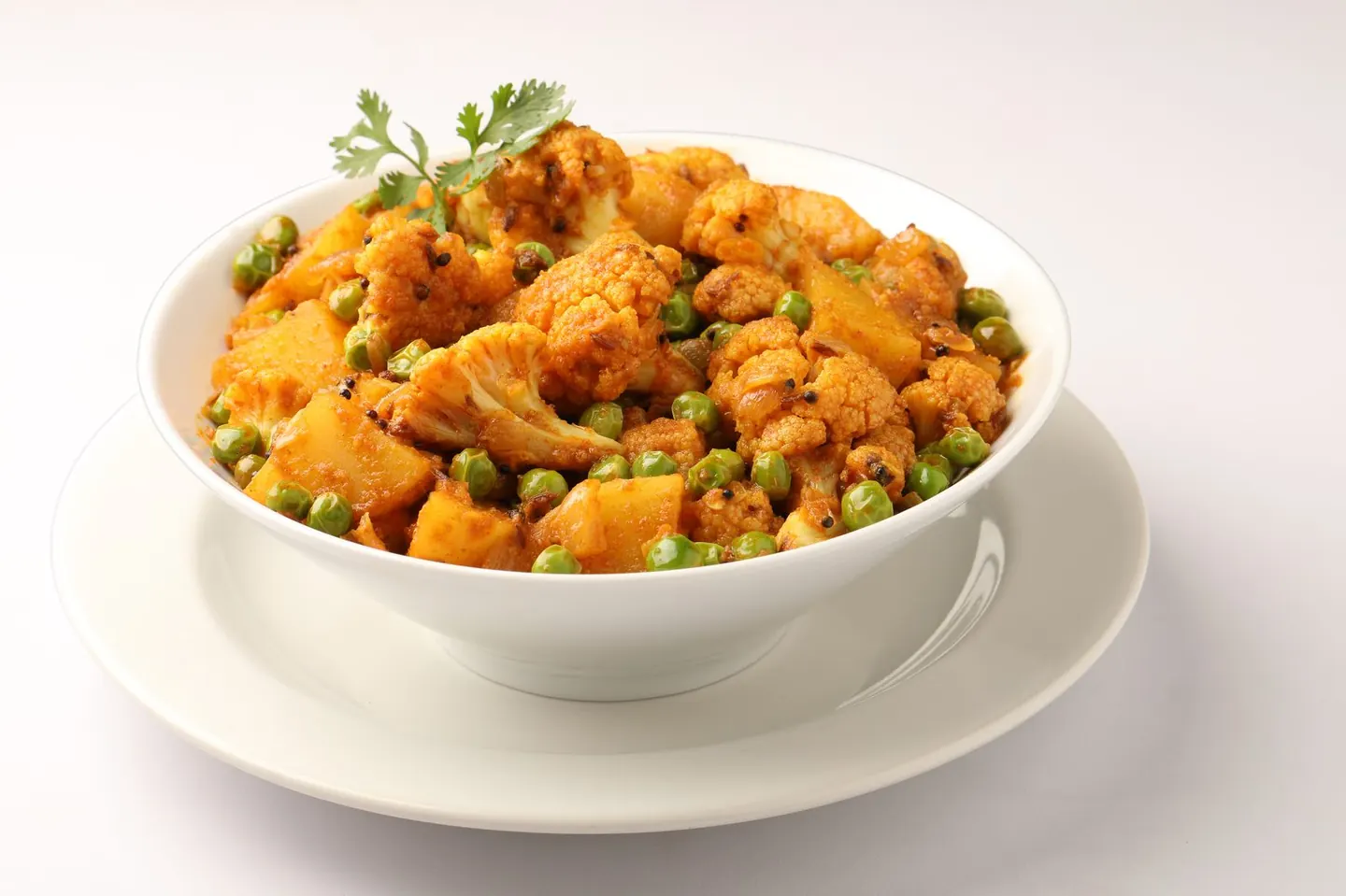
Photograph: Adobe Stock · representative of the dish
Theeyal means "burnt dish", and the name is the recipe: coconut roasted to the colour of dark toast, ground with coriander and chilli, and used as the body of a gravy in place of coconut milk. It is the third grammar of Kerala coconut cookery — neither thenga aracha nor thenga chertha — and it is why a theeyal tastes of nothing else in India. Tamarind is its acid, flat and bright against the smoke, and shallots are its classic subject. Made from M09 out of the freezer this is a twenty-five-minute curry.
Before you start: Soak the tamarind and have the M09 out of the freezer. If you are roasting coconut from scratch rather than using M09, do that first and completely — the roast is the only unforgiving step, and it cannot be attended to while shallots are browning.
Allergens: Mustard.
Equipment: Heavy 2-litre pan or a manchatti. Substitute: any heavy non-reactive pan — tamarind will react with cast iron or aluminium and give the curry a metallic edge and a grey cast.
| Energy | 156 kcal |
| Protein | 3.1 g |
| Fibre | 5.3 g |
| Net carbohydrate | 14.2 g |
| Total carbohydrate | 19.5 g |
| Sugars | 8.4 g |
| Fat | 9.0 g |
| Saturated fat | 7.4 g |
| Sodium | 220 mg |
From ICMR-NIN IFCT 2017 and USDA FoodData Central. Per-serving figures stay the same when you scale.
Shallots are the dish, so do not substitute onions — cheriya ulli are sweeter, lower in water and higher in the sulphur compounds that build depth, and an onion theeyal is noticeably flat. Frozen peeled shallots are a legitimate shortcut and save fifteen minutes of the worst job in Kerala cooking; thaw and pat dry, or they will steam rather than brown. Tamarind: buy the seedless block, not the concentrate, which is darker, saltier and flatter. Fifteen grams of block pulp is a piece about the size of a walnut.
Blood sugar: 14.2 g of net carbohydrate a portion, and about 8 g of it is the shallots' own sugars — shallots are sweeter than onions and 300 g of them is not a free ingredient. Fibre at 5.3 g is high for a side dish, most of it from the roasted coconut. Tamarind's acid is a small additional help on the same curve.
Blood pressure: 220 mg a portion. Leave the M07 out and the tamarind carries the seasoning almost unaided; that takes it to about 15 mg, which makes this one of the very lowest-sodium dishes in the book.
Cholesterol: 7.4 g of saturated fat a portion is the honest cost of this dish, and it is high for a vegetable side. A theeyal is a roasted-coconut dish; the coconut is not garnish, it is the body. Two real reductions: use 60 g of M09 rather than 75 g, for about 6.1 g; or use the M09 variant made with half coconut and half roasted chana dal, for about 4.5 g and a slightly less complex gravy. What you should not do is make a theeyal with less coconut and expect it to taste like one.
Shallots → 300 g pavakka (bitter gourd) in 1 cm slices, salted and squeezed first. The classic alternative, bitter against the smoke, and about 45 kcal less a portion.
Shallots → 250 g prawns, added at step 7 for the last 4–5 minutes. Protein rises to about 12 g a portion; the dish becomes chemmeen theeyal and is arguably the best version of it. (Allergen: this swap introduces crustaceans.)
Tamarind → 3 pieces of kudampuli, soaked. The curry becomes smokier, rounder and less bright, and it will improve overnight rather than merely keep. This is a real change of dialect, not a like-for-like swap.
M09 → 150 g fresh coconut roasted from scratch and ground with 15 g coriander seed, 5 dried chillies and 3 g fennel. Better, and forty minutes longer. Chapter 15 explains why it is worth batching instead.
Brown 600 g of shallots in two batches. Crowded, they steam, and a theeyal built on steamed shallots is a thin dish.
This is the most make-ahead-friendly recipe in the chapter and it genuinely improves. Fridge 4 days in a covered non-metal container. Freeze 2 months — the roasted-coconut suspension freezes and thaws without splitting, which coconut milk does not. Reheat freely, even at a simmer, with a splash of water; there is no emulsion to break.
Spoon it cold over R015, or thin it with 100 ml of water and use it as the gravy for a piece of poached fish. Cold theeyal on a dosa is a household habit worth passing on.
Bitter, ashy gravy: the coconut went past dark toast into burnt when M09 was made. Nothing buries it. Chapter 15 has the three stages of the roast.
Thin, pale, tastes of raw onion: the shallots were not browned far enough at step 4, or the simmer was too short. Twelve minutes at step 7 is the minimum.
Metallic, greyish curry: the tamarind reacted with the pan. Use clay, stainless steel or enamel, never bare cast iron or aluminium.
Sour and flat: too much tamarind for the shallots' sweetness. Add 3 g of jaggery, which is traditional in some households and corrects it in a minute.
Serve with
R015 Matta Rice, Properly Cooked · R016 The Chilled-and-Reheated Rice Method · R081 Moru Curry · M09 Varutharacha Thenga
Tap a star to rate this recipe
The Kindle edition is on its way. Until it lands, the complete book — all 25 chapters and 137 recipes — is free to read here, and it stays free after.