 M01
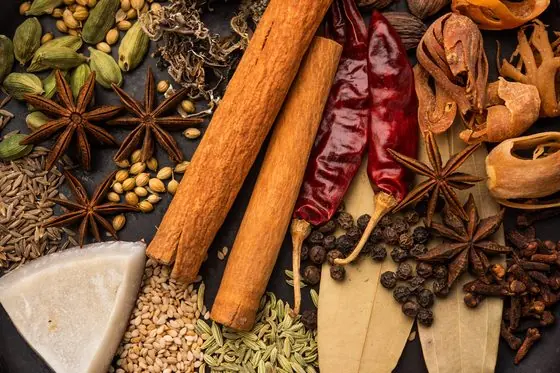
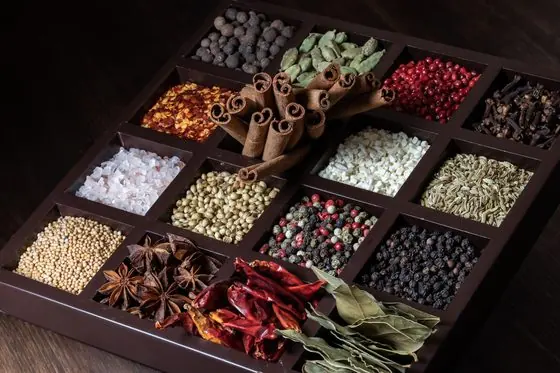
M01Kerala Garam Masala
The southern register — aromatic, not earthy
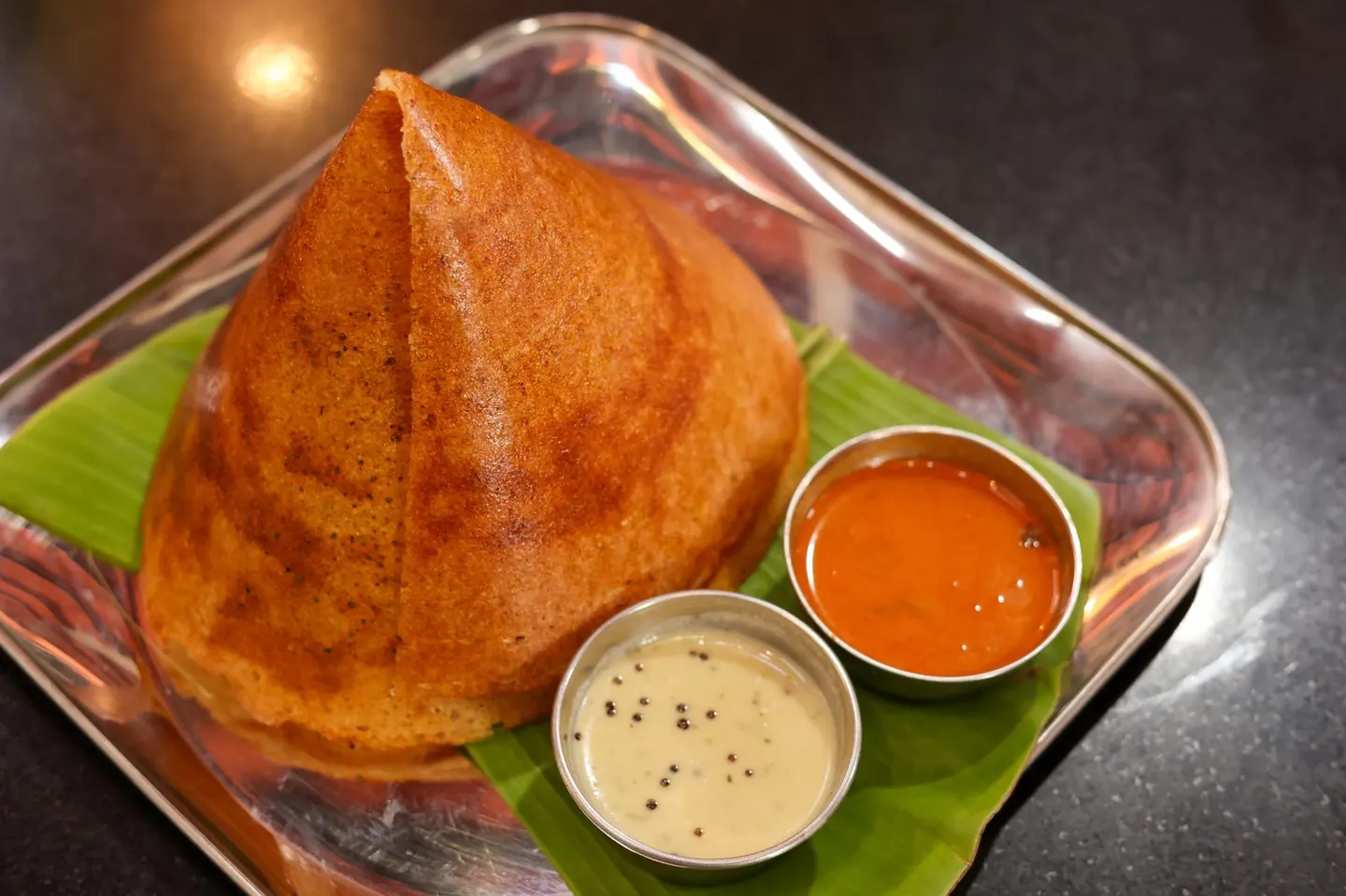
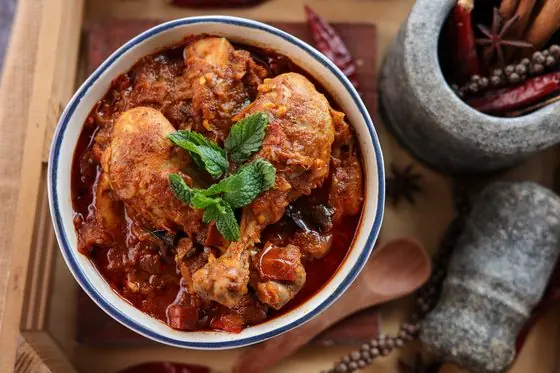
Photograph: Adobe Stock · representative of the dish
Plan ahead: including 4 hours soaking and 8–10 hours fermentation — both required.
One batter, two breakfasts [LOW SODIUM] [VEGAN]
The rice-and-black-gram pairing is one of the oldest pieces of applied nutrition in India, and it works for a reason nobody knew when it was invented: rice is short on lysine and black gram on methionine, so together they make a better protein than either alone. Ferment it and you get lift, sourness, better digestibility, and — through the phytase activated by the falling pH — better access to the grain's iron and zinc.
Before you start: Rice and dal soak separately and grind separately. Together they never reach the right textures. Keep the room-temperature soak to four hours — the BC Centre for Disease Control's guideline on fermented foods says to "limit soaking time to a maximum of 4 hours" at room temperature — and put the bowls in the refrigerator if you want longer.
Allergens: None of the major allergens.
Equipment: Wet grinder or strong blender; idli steamer with plates, or a dosa kallu / heavy flat griddle. Substitute: a stacked steamer with small greased bowls makes perfectly good idlis.
Whole skinned urad dal gives more lift than split; with split, use 110 g. The fenugreek here is 5 g across twenty idlis and is present for aroma and fermentation; readers taking insulin or a sulfonylurea should note that fenugreek has genuine glycaemic effects at 10–25 g a day and can compound those medicines, and Chapter 9 gives that caution in full. For rice, less-polished parboiled rice is the better buy — glycaemic index in Indian parboiled rice rose from 57.6 unpolished to 73 at only 2.3% polish and 79.6 at 9.7% (Shobana et al., 2017), so polish, not variety, is the lever. Ask for unda kuthiya or under-milled parboiled rice.
Blood sugar: four idlis are a large rice portion. Two idlis plus a bowl of sambar with real dal in it and a vegetable thoran is the same plate rebuilt, and it is the plate this book argues for.
Blood pressure: made with M07 this is about 120 mg of sodium an idli; the chutney beside it will usually carry more, so that is where to look next.
2.5:1 rice to dal → softer idlis, faster ferment, more protein. A good change.
Add 40 g cooked rice or 30 g flattened rice at step 2 → softer idlis without more dal.
Ragi or millet for a third of the rice → see M12, which is that idea done properly.
Fridge 4 days, improving for dosa as it sours and worsening for idli. Freeze the cooked idlis 1 month; re-steam 4–5 minutes from frozen. Refrigerate within 2 hours of the ferment finishing in a warm kitchen, or it overshoots. The BC Centre for Disease Control's guideline on fermented foods gives dosa and idli batter "approximately 1 day at room temperature" and "approximately 5-7 days" refrigerated, and names E. coli, Staphylococcus aureus and Bacillus cereus as the organisms to keep out; four days is inside that and is where this book leaves it. Discard a batter that smells sharply putrid rather than sour, that has gone pink, grey or fuzzy on the surface, or that has been left out overnight in a warm kitchen after it finished rising.
Day-three batter is more sour and rises less, which makes it better for dosa than for idli. Thin it slightly, and if the sourness is more than you want, stir in 20 g of rice flour and rest it for 30 minutes. Cooked idlis keep better than the batter does: steam the lot, refrigerate them and re-steam from cold.
Flat, dense idlis: the dal was under-ground, or the batter over-fermented and has collapsed. The same symptom from opposite causes.
Batter did not rise: kitchen too cold. Oven light, warmer grinding water, longer wait, or a quarter-teaspoon of instant yeast.
Dosa tears when spread: batter too thick, or griddle too hot.
Idlis stick: plates not greased, or unmoulded hot. Rest 2–3 minutes.
Serve with
R006 Idli · R007 Thattu Dosa · R010 Kadala Curry · R093 Coconut Chutney, Rebuilt · R094 Tomato Chutney — and, more broadly, any breakfast built on a steamed or griddled fermented batter.
Tap a star to rate this recipe
The Kindle edition is on its way. Until it lands, the complete book — all 25 chapters and 137 recipes — is free to read here, and it stays free after.