 R089
R089Kerala Kitchen Salad
Raw vegetables the way a Kerala kitchen cuts them
Recipes › Salads, Pachadis, Chutneys, Podis and Pickles
R094
Thakkali chammanthi, cooked down until it is nearly a jam
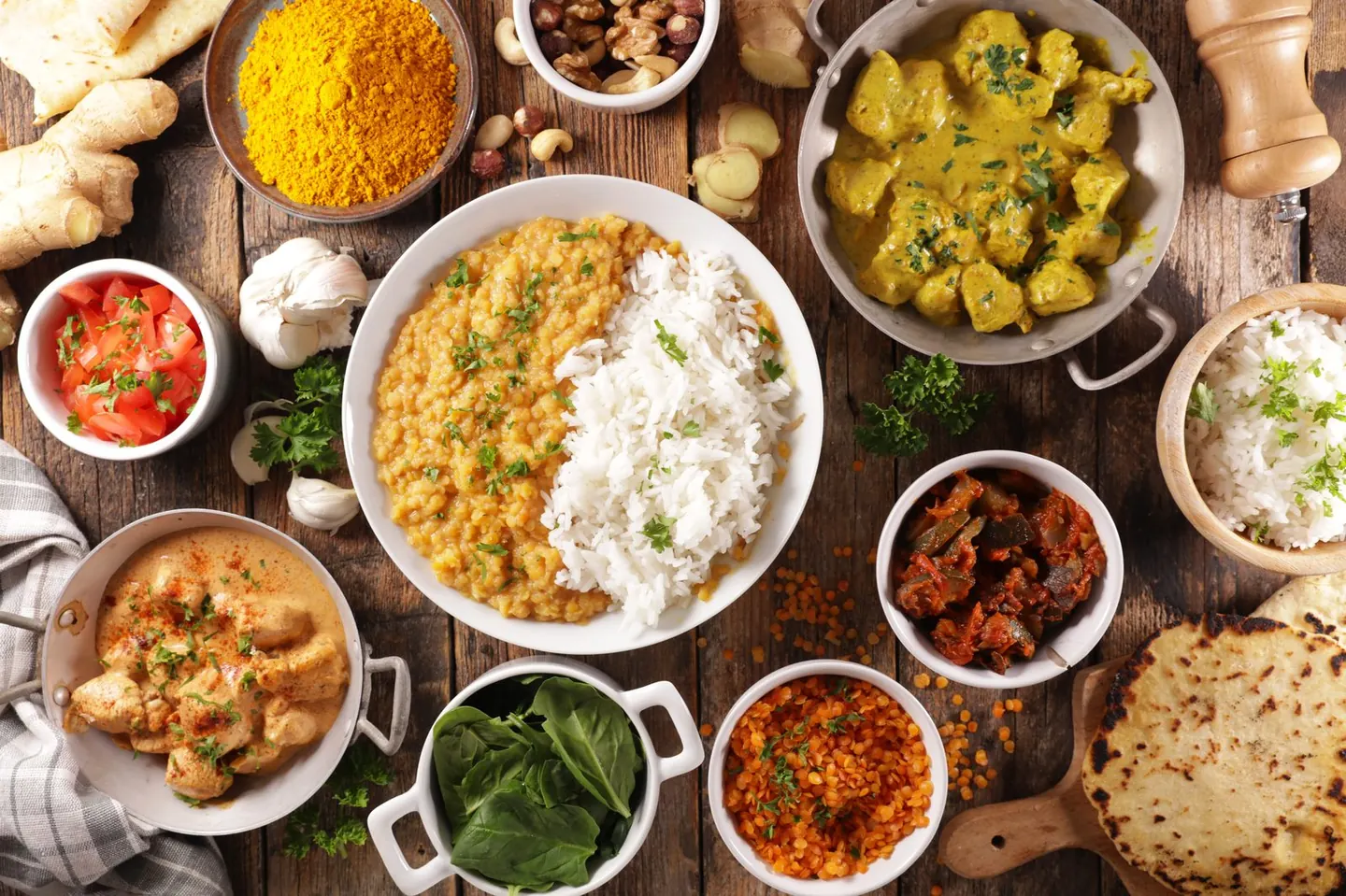
Photograph: Adobe Stock · representative of the dish
Tomato is a late arrival in Kerala — it is a reliable marker that a "traditional" recipe is younger than it claims — but it earned its place, because a tomato chutney does something coconut chutney cannot. It is savoury rather than rich, it carries glutamate, and glutamate is the reason a spoonful of it makes a low-salt meal taste finished. Cook it further than feels necessary. The moment to stop is when a spoon dragged across the pan leaves a track that fills in slowly.
Before you start: Slice the shallots before you light the flame; 60 g takes 4 minutes and the pan will not wait.
Allergens: Mustard.
Equipment: Heavy 20 cm pan; mixie or blender, optional. Substitute: leave it unblended for a coarse chutney closer to a thokku; the flavour is the same and the texture is rougher.
| Energy | 78 kcal |
| Protein | 1 g |
| Fibre | 3 g |
| Net carbohydrate | 7 g |
| Total carbohydrate | 10 g |
| Sugars | 4 g |
| Fat | 5 g |
| Saturated fat | 4 g |
| Sodium | 200 mg |
From ICMR-NIN IFCT 2017 and USDA FoodData Central. Per-serving figures stay the same when you scale.
Out of tomato season, 300 g of good tinned chopped tomatoes beats poor fresh ones and needs about 5 minutes less cooking; check the label for added salt, because some brands carry 200 mg of sodium per 100 g and that alone would double this recipe's figure. Kashmiri dried chillies give the colour without much heat; ordinary hot dried chillies at 6 g will make this fierce, so use 3 g of those plus 3 g of Kashmiri.
Blood pressure: 200 mg per serving, entirely from the 2 g of added salt. This is the one chutney in the chapter that will taste properly seasoned at 1 g of salt — about 100 mg a serving — because the reduced tomato is doing the work.
Blood sugar: 7 g of net carbohydrate. A negligible glycaemic contribution, and it makes plain rice more interesting, which is worth more than it sounds.
Cholesterol: 4 g of saturated fat, three-quarters of it from the 30 g of fresh coconut. Halve the coconut and it falls to about 2.5 g.
Sesame (gingelly) oil for the coconut oil → saturated fat falls from about 4 g to about 3.3 g per serving. Consequence: nuttier and less recognisably Kerala; sesame is 16% saturated against coconut oil's 91%. (Allergen: this swap introduces sesame.)
No coconut → Consequence: a sharper, cleaner chutney at about 65 kcal and 2 g of saturated fat, and it keeps two days longer.
Add 15 g of roasted gram dal at step 6 → Consequence: thicker, more protein, less bright.
At eight servings use a 28 cm pan or the tomatoes will steam rather than reduce, and add 6–8 minutes to step 4.
Better on day two, once the shallot sweetness has settled into the tomato. Fridge 5 days in a covered non-metal container with a film of oil on the surface. Freeze 3 months in 70 g portions. Reheat gently or serve at room temperature.
Two tablespoons make the base of a quick fish curry with a piece of kudampuli and 100 ml of water. It is also the best thing to spread inside a dosa, and stirred into hot rice with a teaspoon of M06 it becomes a meal on its own.
Sharp and raw: step 4 was cut short. It needs to look darker than seems right.
Bitter: the dried chilli or the mustard burned in the first minute.
Watery: the tomatoes were very juicy. Keep reducing; there is no other fix.
Serve with
R008 Ragi Dosa · R009 Oats and Matta Dosa · R004 Puttu · R012 Kanji with a Pulse · R022 Millet Upma
Tap a star to rate this recipe
The Kindle edition is on its way. Until it lands, the complete book — all 25 chapters and 137 recipes — is free to read here, and it stays free after.