 R001
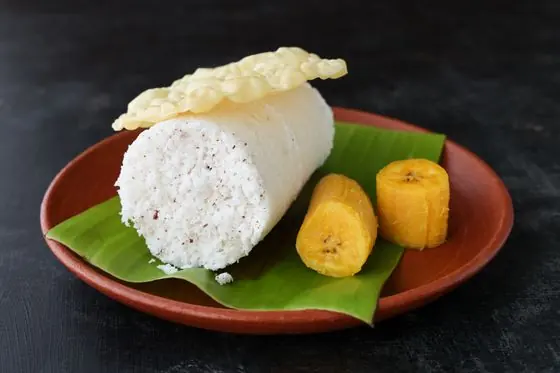
R001Palappam
The lace-edged fermented appam, the Syrian Christian breakfast bread
R012
Rice gruel with cowpea, the breakfast history nearly erased
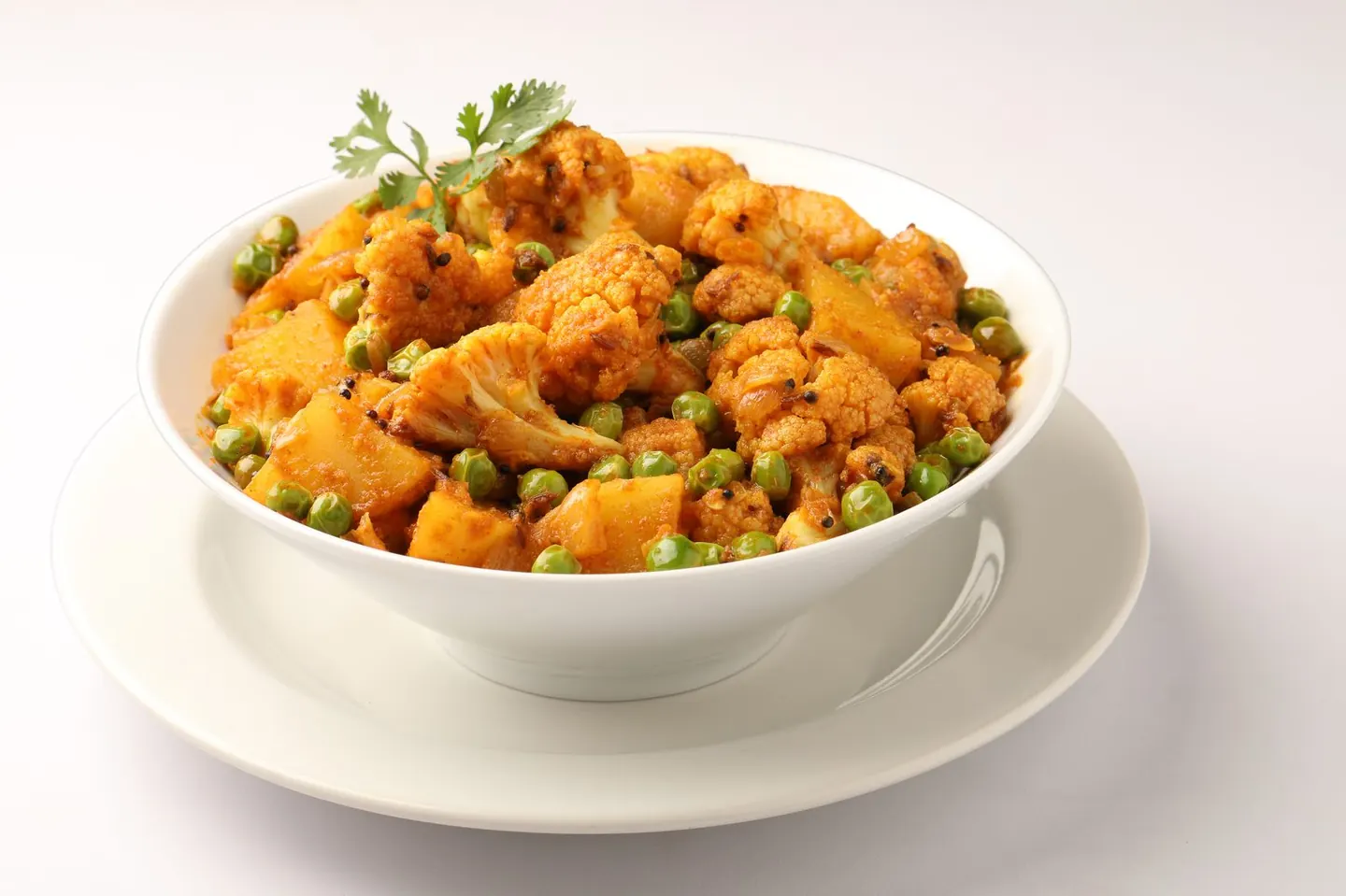
Photograph: Adobe Stock · representative of the dish
Plan ahead: plus 6–8 hours soaking the cowpea — required.
Kanji is what Kerala ate for breakfast for most of its history, and it nearly vanished inside two generations, displaced by bread, cereal and sweet tea and demoted to invalid food. Rice boiled loose with a pulse alongside is the oldest configuration of the Kerala plate and still the cheapest breakfast here. It survives in the calendar too. Karkidakam, the last Malayalam month, at the monsoon's peak, is the season of karkidaka kanji — njavara rice with fenugreek, cumin, dry ginger, pepper and a herbal kashayam, taken warm for 7 to 21 nights, on the understanding that digestion is weakest then. The book reports the tradition and claims nothing clinical.
Before you start: The cowpea needs 6–8 hours of soaking, so start it the night before with the batter you are also fermenting. Nothing else here needs planning.
Allergens: None of the major allergens.
Equipment: Heavy pan, 3 litres, with a lid; separate pressure cooker or pan for the cowpea. Substitute: cook both in one pressure cooker in two stages; the rice is quick and can go in after the payar comes out.
| Energy | 276 kcal |
| Protein | 10 g |
| Fibre | 7 g |
| Net carbohydrate | 42 g |
| Total carbohydrate | 49 g |
| Sugars | 2 g |
| Fat | 8 g |
| Saturated fat | 6 g |
| Sodium | 210 mg |
From ICMR-NIN IFCT 2017 and USDA FoodData Central. Per-serving figures stay the same when you scale.
Vanpayar is sold as brown cowpea, red cowpea or van payar in Kerala groceries, and as black-eyed beans or lobia nearly everywhere else — the black-eyed bean is a paler cousin and works in the same way with a milder flavour and the same fibre. Keep the skins on; that is where the 11.54 g of fibre per 100 g lives. For the rice, matta or any unpolished parboiled red rice is right; kanji is the one dish where a broken or coarse grain is an advantage rather than a fault, so the cheap bag at the bottom of the shelf is the correct purchase.
Blood sugar: a fully gelatinised gruel is not a low-glycaemic food and this book will not pretend otherwise. What makes the meal work is the cowpea beside it and the bounded 40 g of rice a person. If you drink the kanji and leave the payar, you have made the exact mistake this chapter is about.
Blood pressure: 210 mg of sodium a serving with M07, about 300 mg with plain salt. Kanji is traditionally eaten with pickle and dried fish, and that is where the sodium arrives — a tablespoon of commercial lime achar can carry more sodium than this entire bowl.
Cholesterol: 6 g of saturated fat from the coconut. Leave the coconut out of the kanji and keep it only on the payar, and it falls to about 3 g.
Muthira (horse gram) for vanpayar → the leanest pulse in the repertoire at 0.62 g of fat, smoky and slightly bitter, and it needs an overnight soak and a longer cook.
Njavara rice for matta, with 2 g fenugreek, 2 g cumin, 1 g dry ginger and 1 g pepper → this is karkidaka kanji in its plainest form. Note that fenugreek at 10–25 g a day has genuine glycaemic effects and can compound insulin and sulfonylureas; the 2 g here is a seasoning quantity, and any medication question belongs with your doctor.
100 ml third-extraction coconut milk stirred in at the end → richer and more traditional in the south, adding about 2 g of fat a serving. Never the first extraction, and never at a boil.
Broken wheat (nurukku gothambu) for the rice → a nuttier gruel with more fibre, and broken-wheat upma measured GI 41 in the Kerala trial, which is the closest relevant number available. (Allergen: this swap introduces gluten (wheat).)
Kanji thickens to a solid on standing and is thinned with hot water on reheating, which costs nothing. Fridge 3 days with the payar stored separately. Freeze the cooked cowpea 3 months; freeze the kanji itself only if you must, because the texture becomes gluey. Reheat with 100–150 ml of water per portion, stirring, 5–6 minutes.
Cold thick kanji fried in a pan with mustard, shallot and the leftover payar makes a solid second meal. The strained cooking water (kanji vellam) is traditionally drunk; it carries leached B vitamins and potassium, and that is all this book will claim for it.
Kanji set solid in the pan: normal, and it will keep doing it. Add hot water and stir.
Rice still hard after 40 minutes: matta needs it. Soak the rice 30 minutes next time and it will cook in 25.
Cowpea skins fell off and the beans went to paste: over-soaked or overcooked. Ten minutes under pressure is the ceiling.
Bland: kanji is meant to be plain, and the flavour is supposed to come from what is beside it. Add the chammanthi rather than more salt.
Serve with
R089 Kerala Kitchen Salad · M06 sprinkled over the kanji · R011 Cherupayar Curry · R107 Sambharam
Tap a star to rate this recipe
The Kindle edition is on its way. Until it lands, the complete book — all 25 chapters and 137 recipes — is free to read here, and it stays free after.