RecipesMother Preparations

M02

Sambar Podi

The everyday sour-lentil blend

Low SodiumVegan
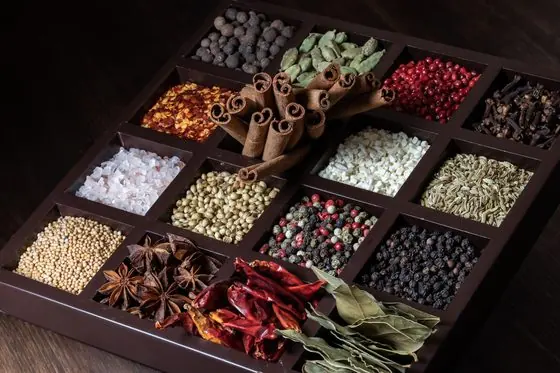
Garam masala powder and whole spices

Photograph: Adobe Stock · representative of the dish

YieldMakes about 240 g
Active25 minutes
Total45 minutes
DifficultyEasy

Plan ahead: plus 20 minutes cooling — required.

The re-engineeringCommercial sambar powder is salted, and the salt is invisible to you. This contains none, which hands the sodium decision back to the pot — and the roasted dals carry enough savoury body that the pot needs less.

The everyday sour-lentil blend [LOW SODIUM] [VEGAN]

Sambar arrives in the sadya comparatively late, which is why the older four-curry scheme of erissery, kalan, olan and a sweet curry does not include it. It has since become the most-cooked gravy in South India. This blend is coriander-dominant with two roasted dals for body, and deliberately less chilli-forward than a Tamil Nadu podi, because Kerala sambar sits beside coconut dishes and should not shout them down.

Before you start: Have a wide cold plate ready. Roasted dal keeps cooking in a hot pan and turns bitter within a minute.

Sambar Podi

Active 25 minutes Total 45 minutes
Scale 240 servings

Ingredients — tap to tick off

  • 120 g (1½ cups) coriander seed
  • 40 g (about 25) dried red chilli, stalks removed
  • 30 g (2½ tbsp) toor dal
  • 20 g (1½ tbsp) Bengal gram dal (chana dal)
  • 10 g (2 tsp) fenugreek seed
  • 8 g (1 tbsp) black peppercorns
  • 8 g (1½ tsp) cumin seed
  • 6 g (3 sprigs) curry leaves
  • 10 g (1½ tbsp) ground turmeric
  • 3 g (½ tsp) asafoetida

Allergens: None of the major allergens as the recipe is written. Gluten (wheat) — only if your asafoetida is compounded with wheat flour, as most brands are.

Equipment: Heavy dry pan; spice grinder. Substitute: a dry-grinder jar on any blender, in two batches.

Method — tap a step to mark it done, tap a time to start a timer

  1. Roast the coriander alone over medium-low heat, stirring constantly, until it darkens by a shade, turns brittle between the fingers and smells of orange peel rather than grass, . Tip out.
  2. Roast the two dals together until pale honey-coloured and one snaps cleanly under a spoon, . Tip out; they keep darkening on the plate.
  3. Roast the chillies until they blister and the smell catches at the back of the throat, , window open.
  4. Roast the fenugreek, pepper and cumin together , until the fenugreek turns reddish-brown. Past that it is irretrievably bitter.
  5. Roast the curry leaves 30–45 seconds, until they crumble between your fingers.
  6. Cool completely, , then grind fine with the turmeric and asafoetida, which are never roasted. Sieve and re-grind the coarse fraction.
Why this worksRoasting the dals gelatinises and then dries their starch, so the podi thickens a sambar slightly as it cooks — body from a spice blend rather than from fat. The coriander's oils, driven to the surface by roasting, then carry the chilli's capsaicin across the whole pot, and trigeminal heat raises perceived flavour intensity at lower salt.
Sourcing note

Use two chillies if you can — a mild bright one such as Kashmiri or Byadgi for colour and a hotter one such as Guntur for heat, roughly three to one. These quantities assume compounded asafoetida, the granular kind cut with rice flour; with pure resin use a third as much.

Swap it

No toor dal → all chana dal. Nuttier, thickens marginally less.

Pre-ground coriander → 100 g, added off the heat. Never roast it; it scorches in under a minute.

More chilli → 60 g for Palakkad-style heat. The blend then carries the dish, so use a spoon less per pot.

Make ahead · store · freeze

Cupboard 3 months sealed. Fridge 6 months. Freeze 12 months. The dals are the limiting factor — a podi smelling faintly of old nuts should be replaced.

Leftovers

The dregs at the bottom of the jar are mostly ground dal and are the first part to go stale. Tip them into a dal or a vegetable stew rather than into a sambar, where the podi is the flavour and a tired one shows. If a jar has gone beyond use, dry-roast the last of it for a minute in a pan and use it as a dusting over boiled tubers.

Troubleshooting

Bitter podi: the fenugreek or the dals went too far. No correction.

Sambar tastes raw: the podi went in at the end. It needs 6–8 minutes of simmering, until the raw smell lifts.

Serve with
R059 Sambar · R118 Sadya Sambar · R060 Parippu with Cheera — and, more broadly, sambar of every kind, dal with greens, vegetable stews given a sour turn, and as a dry seasoning for roasted tubers.

Tap a star to rate this recipe

More from Mother Preparations

A spread of whole Kerala spicesM01
Low SodiumVegan

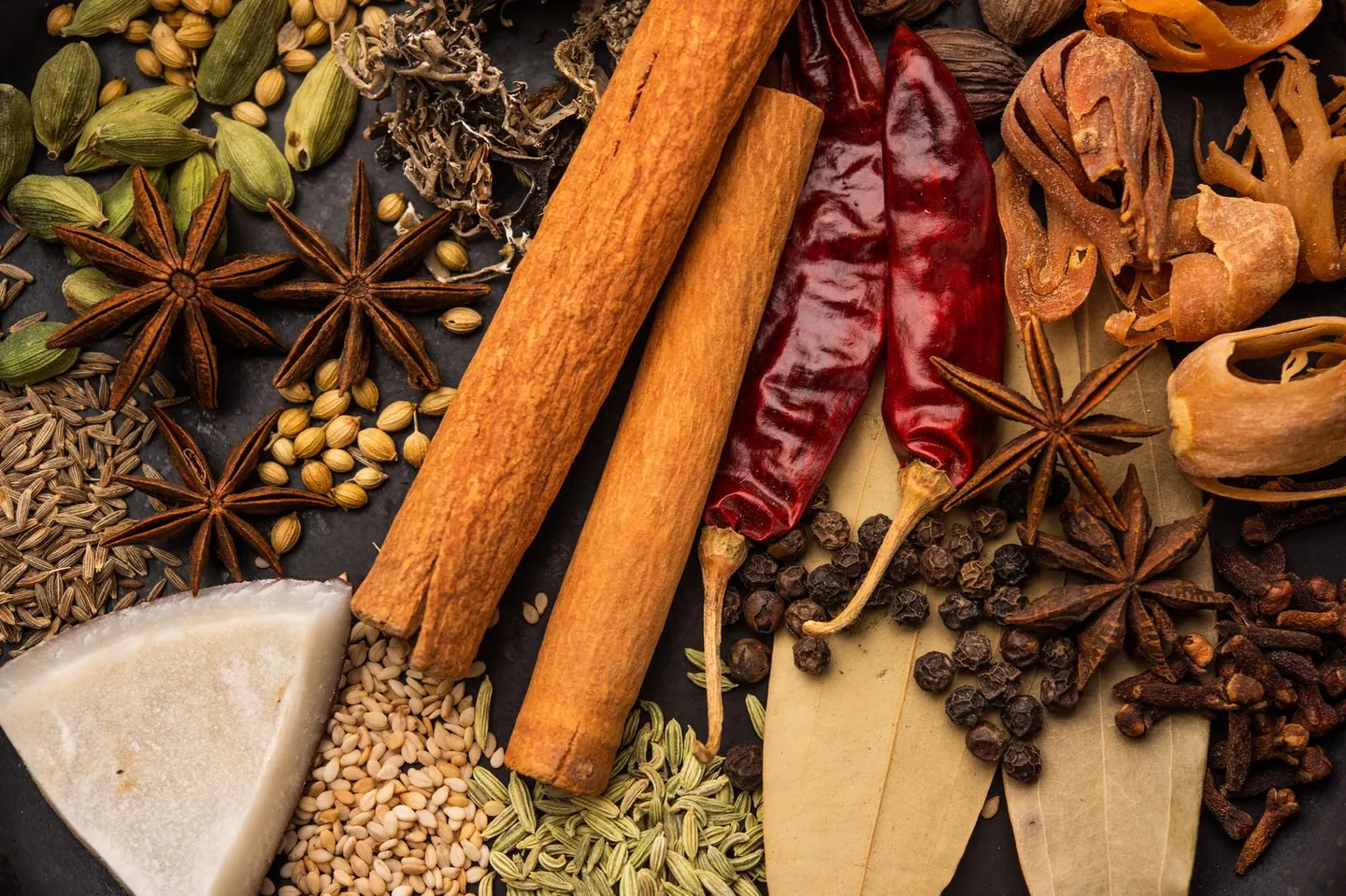
Kerala Garam Masala

The southern register — aromatic, not earthy
25 minutes
A box of whole dry spicesM03
Low SodiumVegan

Rasam Podi

Pepper-and-cumin, for the closing liquid of a meal

40 minutes
Kerala fish curryM05
Low Sodium

Fish Masala

Chilli-forward, turmeric-heavy, built for a sour gravy

40 minutes

Get the 7-Day Reset, free

The full seven-day menu, the Sunday preparation block and the shopping list — the opening week of the programme in the book, sent as a PDF.

Connect this form to your email tool before launch. No spam; unsubscribe any time.
Screen stays awake