 M01
M01Kerala Garam Masala
The southern register — aromatic, not earthy
M08
Onnaam, randaam and moonnaam paal from one coconut
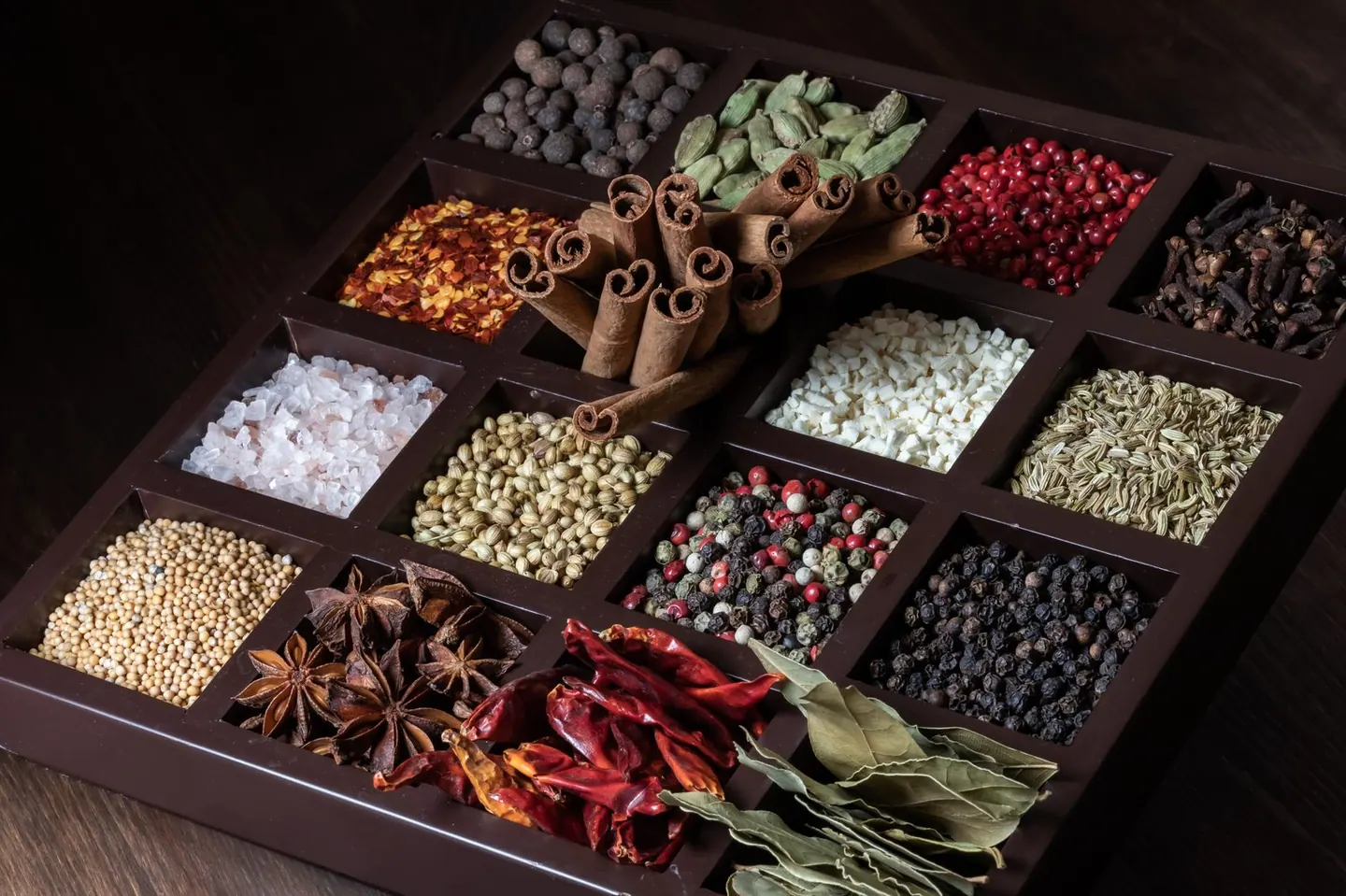
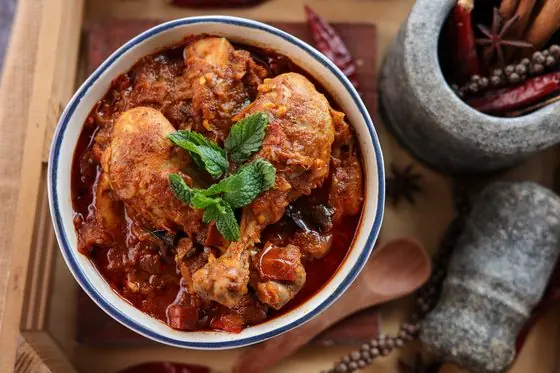
Photograph: Adobe Stock · representative of the dish
Onnaam, randaam and moonnaam paal from one coconut [LOW SODIUM] [VEGAN]
One large coconut gives three liquids of three strengths, and Kerala cooking uses them for three different jobs. Tinned coconut milk is one liquid pretending to be all three, which is why tinned olan is either too rich or too thin and never right. Twenty minutes gives you nearly a litre of graded milk plus a bowl of thengaappu — the spent gratings, which still hold most of the coconut's fibre and belong in a thoran.
Before you start: Warm the water to about 50°C (120°F) — hot to the finger, not scalding. Warm water extracts noticeably more fat than cold; boiling water starts cooking the proteins you need intact.
Allergens: None of the major allergens.
Equipment: Coconut scraper (thenga chirava) or box grater; mixie; muslin or a fine nylon sieve. Substitute: a thin cotton tea towel, at a cost of about 20 ml lost to the cloth.
Frozen grated coconut in 400 g bags works for all three extractions and is what most diaspora readers should use; thaw it fully. Desiccated coconut does not work — it has been dried and defatted and yields a thin, chalky liquid. A tin of full-fat coconut milk is the honest last resort: undiluted as first milk, 1:1.5 with water as second, 1:3 as third.
Cholesterol: first milk is 21 g of saturated fat per 100 ml and it is the largest saturated-fat source in Kerala home cooking. Two things follow. Use the graded extractions rather than tinned milk, so most of a curry's volume is second and third milk. And keep the whole coconut in your diet: fresh grated coconut carries about 10 g fibre and 3.8 g protein per 100 g, where coconut oil carries neither.
Tinned full-fat coconut milk → as in the sourcing note. Flavour is flatter and slightly cooked, and you lose the thengaappu.
Coconut milk powder → convenient, keeps well, noticeably sweeter.
No coconut at all → 40 g cashews blended with 200 ml water gives comparable body, a different flavour, less saturated fat and more monounsaturated. (Allergen: this swap introduces tree nuts (cashew).)
Fridge 2 days covered, in a non-metal container; the fat sets on top and stirs back in cold. Freeze 2 months — first milk in an ice-cube tray at about 30 ml a cube, thawed in the fridge rather than the microwave. Use within 4 hours if the kitchen is above 30°C (86°F); fresh coconut milk sours fast in Kerala heat.
Second and third extractions are the leftovers of this preparation and they are the most useful things in it. Keep them in separate jars, use the second in place of water in a sambar, a dal or a vegetable stew, and freeze the third in an ice tray for kanji. First milk left over from a curry goes into a payasam or into the next morning's appam batter. Coconut milk sours quickly, so smell it before every use.
Split, oily curry with grainy curds: the first milk boiled. No repair. Next time, off the heat.
Thin, watery first milk: the coconut was machine-chopped rather than scraped, or the water was cold. A grater shreds into long wet flakes that release milk; a processor chops into granules that keep it.
Frozen milk thawed grainy: normal. Blend 10 seconds and it comes back.
Serve with
R068 Kumbalanga Olan · R041 Kerala Chicken Stew · R025 Meen Moilee · R001 Palappam · R113 Ada Pradhaman, with the Arithmetic Shown — and, more broadly, mappas and moilee, fish and prawn curries, vegetable kurma, kanji, and the payasam family.
Tap a star to rate this recipe
The Kindle edition is on its way. Until it lands, the complete book — all 25 chapters and 137 recipes — is free to read here, and it stays free after.