 R024
R024Meen Vevichathu
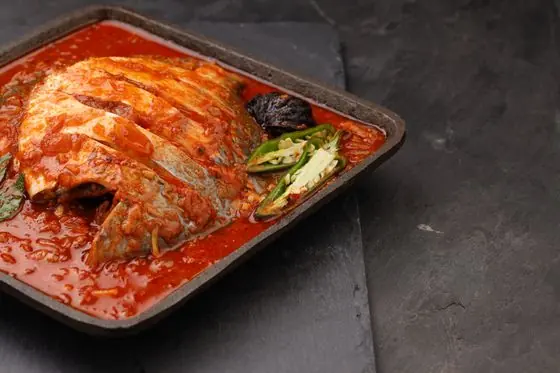
Kudampuli fish curry, the Kottayam Syrian Christian way
R026
Sardine curry with kudampuli — the cheapest good fish in Kerala
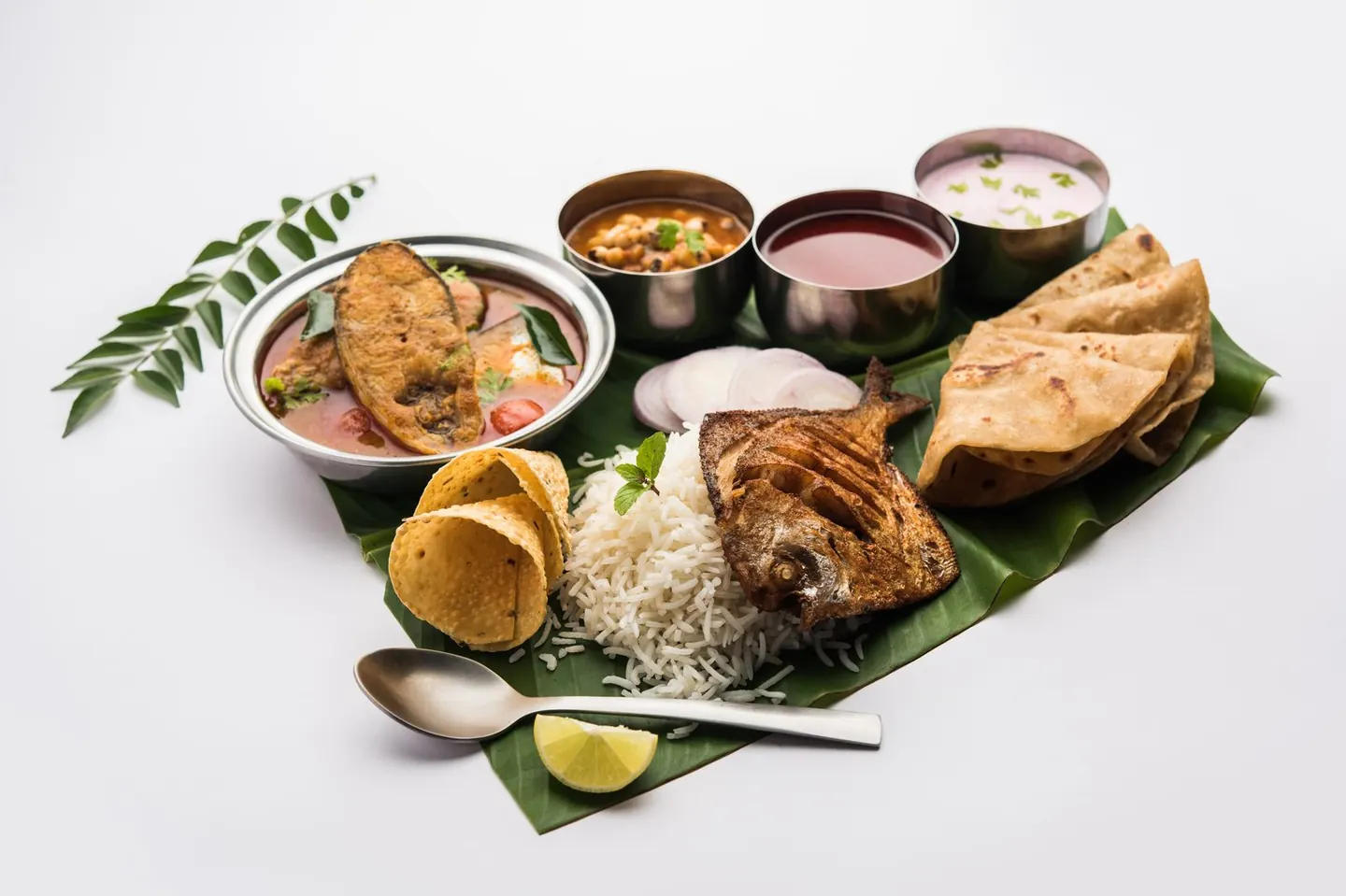
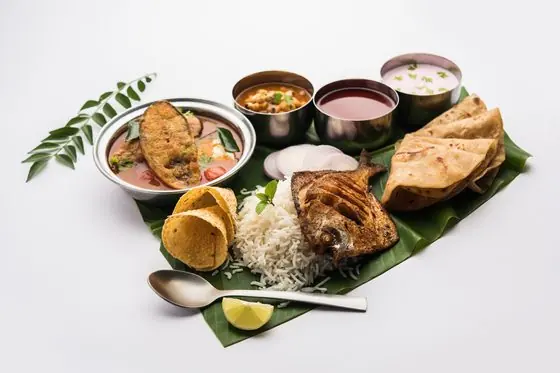
Photograph: Adobe Stock · representative of the dish
Plan ahead: plus 4 hours resting — strongly recommended.
Mathi is the fish this book would choose if it could only keep one. At 17.91 g of protein and roughly 614 mg of EPA plus DHA per 100 g, it out-delivers every prestige fish in Kerala on omega-3 per rupee by an order of magnitude, and when the shoals come in off Kollam and Alappuzha it is sold from baskets at a price that embarrasses the market. It is also strong, oily and unapologetic, which is why it needs kudampuli rather than coconut milk.
Before you start: Clean the sardines before anything else — heads off, gut removed, the black line inside the cavity scraped out with a thumbnail and rinsed. That black line is what makes a sardine curry bitter and nothing later removes it. Soak the kudampuli while you work.
Allergens: Fish. Gluten (wheat) — only if your asafoetida is compounded with wheat flour, as most brands are (it arrives with M05).
Equipment: Unglazed clay pot (meen chatti), 22 cm. Fish scissors or a small sharp knife for cleaning. Substitute: any heavy non-reactive pan — stainless steel, enamel, a kalchatti. You lose the seasoned wall and about five minutes of residual cooking, so take the pot off the heat slightly later. Never aluminium or bare iron with kudampuli.
| Energy | 257 kcal |
| Protein | 24 g |
| Fibre | 3 g |
| Net carbohydrate | 7 g |
| Total carbohydrate | 10 g |
| Sugars | 3 g |
| Fat | 15 g |
| Saturated fat | 6 g |
| Sodium | 320 mg |
From ICMR-NIN IFCT 2017 and USDA FoodData Central. Per-serving figures stay the same when you scale.
Fresh sardines are one of the few genuinely cheap fish in the West, and they are the same family as mathi. In the US: Pacific sardines on the West Coast, Spanish or Portuguese sardines frozen elsewhere; failing that, tinned sardines in water — see SWAP IT, because the method changes. In the UK: fresh Cornish sardines are excellent and seasonal from May to October, and pilchards are the same fish grown up. In the Gulf: oum is sardine and is everywhere. In Australia: Australian sardine, sold as pilchard in Victoria and South Australia. Buy them whole, and ask the fishmonger to gut them if you would rather not.
Blood sugar: 7 g of net carbohydrate. This is a low-load dish and 24 g of protein per serving; the meal is decided by the grain.
Blood pressure: 320 mg. Sardine is naturally slightly higher in sodium than white fish. Two grams of added salt instead of three takes this to about 250 mg and the kudampuli carries it.
Cholesterol: 6 g of saturated fat, and roughly two-thirds of it is the sardine's own rather than the added oil. Sardine fat is largely unsaturated, which is why 15 g of total fat here reads better than 15 g from coconut. Swapping the coconut oil for sesame takes saturated fat to about 4 g.
Tinned sardines in water → 2 × 120 g tins, drained. Add them at step 7 for 2–3 minutes only, off the heat if possible. Calcium goes up substantially because of the bones; sodium goes up to roughly 550 mg per serving, so use no added salt at all.
No sardines → ayala (mackerel) cut into 3 cm rounds. Firmer, less oily, cooks in the same time.
No kudampuli → 15 g tamarind pulp. Brighter, and the curry no longer improves overnight.
Coconut oil → sesame oil throughout. Saturated fat falls by about 2 g per serving; you lose the finishing aroma, which is the one thing coconut oil does that nothing replaces. (Allergen: this swap introduces sesame.)
Better after 4 hours and better still overnight. Fridge 3 days covered, non-metal. Freeze 1 month only — sardine fat oxidises faster than white-fish fat and a frozen mathi curry starts tasting of old oil sooner than you would expect. Reheat at a tremble.
Lift the fillets off the bones, break them up, and fold into a cheera thoran (R065). Or mash them into the gravy with a fork and spread the result on toast, which is what a Kerala household in London does and does not admit to.
Bitter: the black line inside the cavity was not scraped out, or a gall bladder burst during gutting. Nothing fixes it.
Fish broke up into the gravy: it was stirred, or it went in before the gravy thickened, or the sardines were more than a day old. A broken mathi curry is still a very good sauce.
Overpoweringly fishy rather than rich: the sardines were not fresh. Sardine is the fish that punishes a bad buy hardest — clear eyes and red gills or do not buy.
Not sour enough: one more piece of kudampuli, simmered 5 minutes in a ladleful of the gravy and stirred back in.
Serve with
R015 Matta Rice · R020 Kanji · R056 Muthira Thoran · R072 Pavakka Theeyal
Tap a star to rate this recipe
The Kindle edition is on its way. Until it lands, the complete book — all 25 chapters and 137 recipes — is free to read here, and it stays free after.