 R101
R101Ragi Banana Pancake
Finger millet, banana and no added sugar at all
R100
Pazham pori out of the oven, and what that costs
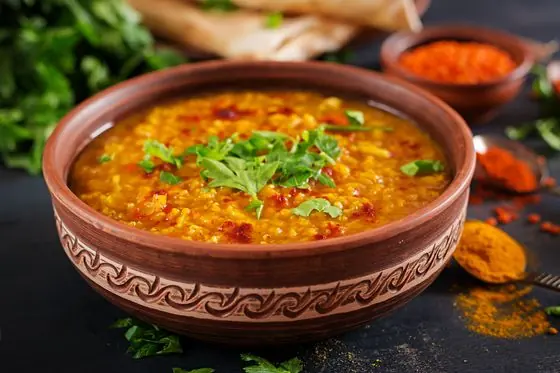
Photograph: Adobe Stock · representative of the dish
Say what is lost first, because it is real. Deep-frying makes a shell that shatters, because water leaving the batter at 180°C (350°F) blows it into a rigid lace. An oven cannot do that. What you get instead is a crust that is crisp at the edges and tender-chewy in the middle, closer to a good baked ada than to a pazham pori. It is a different pleasure, not a diminished one, and the banana tastes far more of banana without frying oil over it.
Before you start: Heat the oven and the tray together. Batter meeting a hot tray sets instantly and does not spread into a puddle, which is the single difference between a good baked version and a bad one.
Allergens: Sesame, gluten (wheat).
Equipment: Oven; heavy baking tray; baking parchment; pastry brush. Substitute: an air fryer at 190°C (375°F) for 12–14 minutes gives a slightly crisper result in two batches. A tawa or heavy frying pan with a lid also works — 4–5 minutes a side over a low flame, with a brushing of oil — and gives the best crust of the three.
| Energy | 215 kcal |
| Protein | 3 g |
| Fibre | 3 g |
| Net carbohydrate | 43 g |
| Total carbohydrate | 46 g |
| Sugars | 26 g |
| Fat | 3 g |
| Saturated fat | 0.6 g |
| Sodium | 100 mg |
From ICMR-NIN IFCT 2017 and USDA FoodData Central. Per-serving figures stay the same when you scale.
Nendran is the plantain this dish is built on — long, angular, ripening to deep yellow, sold as "Kerala banana" or "nendran" frozen and fresh in South Asian groceries. Where it is unavailable, a large ripe plantain from a Caribbean or African grocer is the right substitute; ordinary dessert bananas are too soft and will collapse. The fruit must be ripe enough to smell sweet through the skin but still firm enough to slice cleanly — a fully soft banana turns to purée on the tray.
Blood sugar: this is still 43 g of net carbohydrate and 26 g of sugars a portion, and baking does not change that. Ripe nendran is a sugary fruit and no cooking method makes it otherwise. Eat one piece rather than two, eat it after a meal containing a pulse rather than on an empty stomach at four o'clock, and treat it as the carbohydrate of that meal rather than an addition to it.
Cholesterol: the reason to make this version. Saturated fat drops from about 12 g to 0.6 g a portion, which over a daily habit is the largest single saturated-fat reduction available anywhere in this book.
Blood pressure: 100 mg a portion, and it can be nil — the salt is there for flavour balance, not structure.
Ragi flour for the refined wheat flour → Consequence: earthier, darker, less crisp, and fibre rises by about 2 g a portion.
No jaggery in the batter → Consequence: sugars fall from 26 g to about 22 g and the crust browns less, because there is less sugar to caramelise. With a properly ripe fruit you will not miss it.
Green plantain instead of ripe, sliced thin → Consequence: a different dish entirely, savoury rather than sweet, at about 17.6 g of available carbohydrate per 100 g against ripe nendran's 25 g. Serve it with R093 rather than with tea.
Fried, honestly, in coconut oil → Consequence: the crust you remember, and the second panel above. If you are going to fry, fry once a fortnight and weigh the oil that goes in and the oil that is left, so you know what you ate.
At eight servings use two trays on two shelves and swap them at the turn, or bake in two batches. A crowded tray steams and the pieces go pale and soft.
Best within 20 minutes of leaving the oven. Fridge 2 days in a covered box, refreshed in a 180°C (350°F) oven for 5–6 minutes — a microwave turns the crust to rubber. Freeze 1 month baked and cooled, reheated from frozen at 180°C (350°F) for 10–12 minutes. Make ahead by mixing the batter up to 4 hours in advance and keeping it covered in the fridge; slice the fruit only at the last moment, because cut plantain darkens within 15 minutes.
Chop cold pieces and fold them through R101's batter for the next morning's pancakes, or mash them with a spoonful of curd and a pinch of cardamom for a child's breakfast.
Soggy and pale: the tray was cold, or the pieces were crowded. Both are fixable and both are the usual fault.
Batter slid off: the plantain was wet. Pat the slices dry before dipping.
Bitter edges: the sugar in the batter caught. Pull them at golden; two minutes past golden is too far.
Starchy in the centre: the slices were too thick, or the fruit was underripe.
Serve with
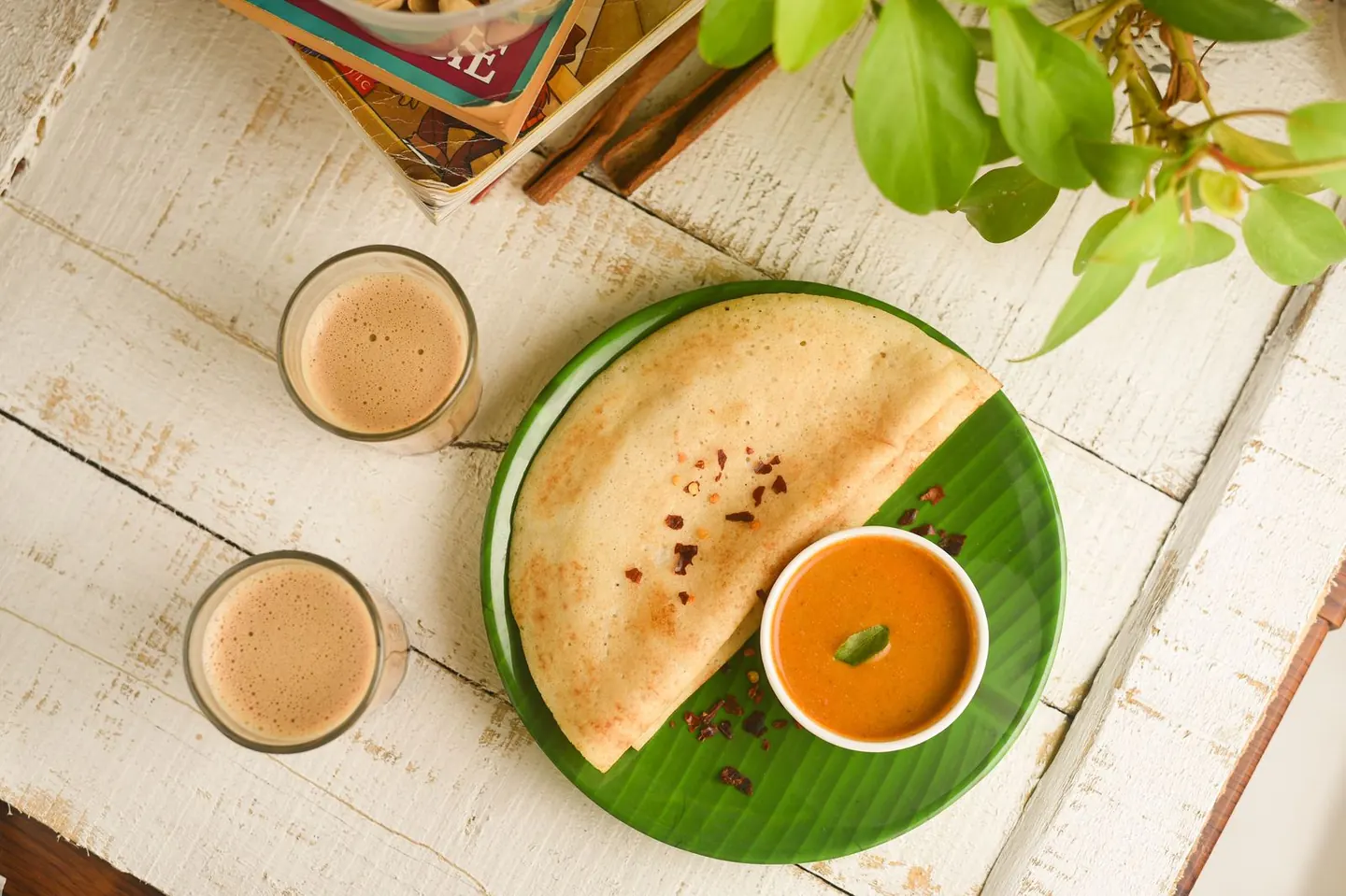
R106 Chai, unsweetened or at half a teaspoon · R111 Sulaimani · R105 Roasted Kadala Mix, if one sweet piece is not enough
Tap a star to rate this recipe
The Kindle edition is on its way. Until it lands, the complete book — all 25 chapters and 137 recipes — is free to read here, and it stays free after.