 R100
R100Baked Ethakka Appam
Pazham pori out of the oven, and what that costs
R101
Finger millet, banana and no added sugar at all
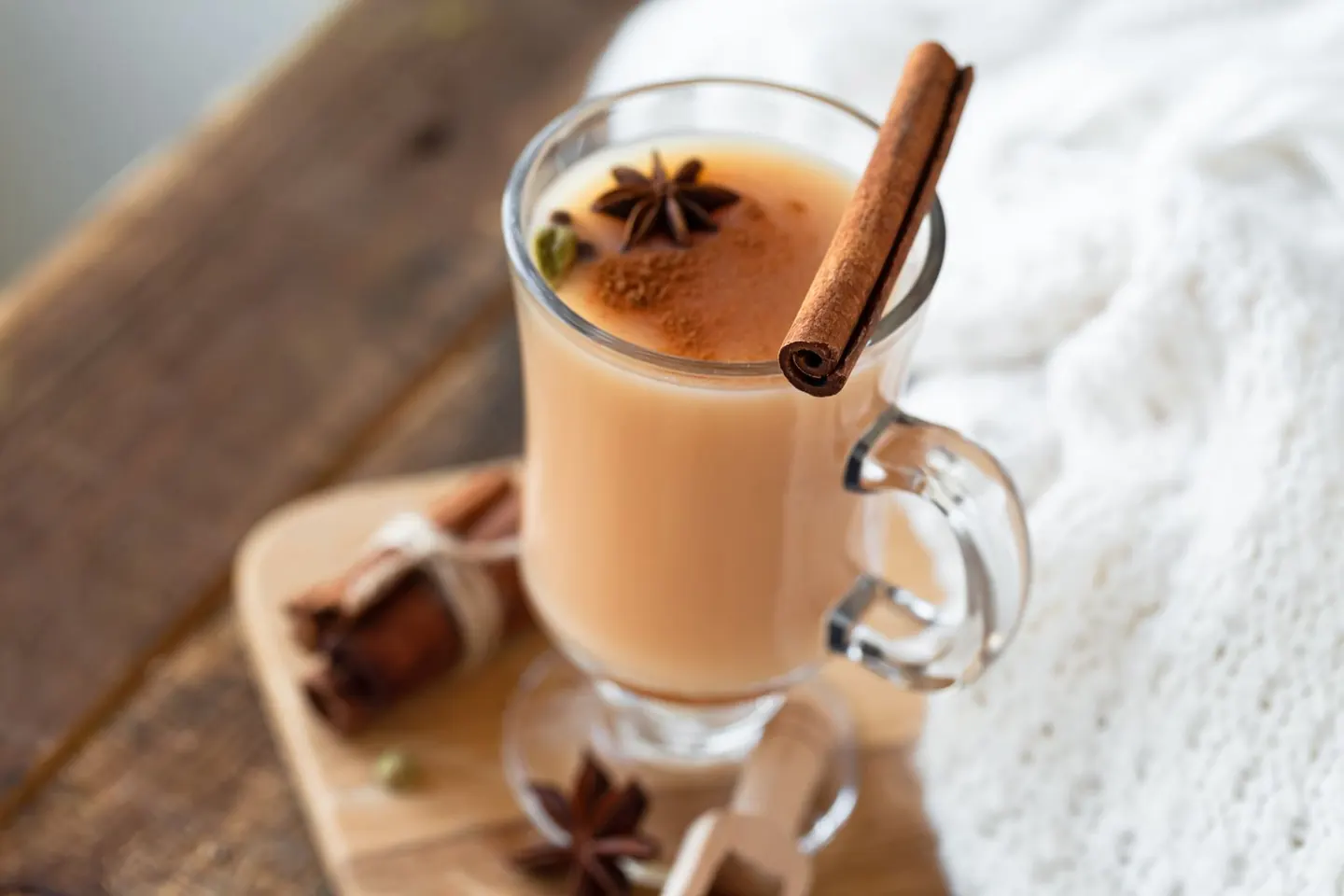
Photograph: Adobe Stock · representative of the dish
Plan ahead: plus 15 minutes resting the batter — recommended.
Ragi is not a Kerala grain by inheritance so much as by adoption, and its honest advantages are two: about 11 g of fibre per 100 g against rice's 2.8 g, and a great deal of calcium. Its protein, at 7.2 g per 100 g, is actually lower than rice's. What it also has is a slightly bitter, malty flavour that ripe banana handles better than anything else, which is why this pairing turns up wherever ragi is eaten. Ten minutes of mixing, ten of cooking, and it holds a child through to dinner.
Before you start: Mash the banana thoroughly before the flour goes in. Lumps of banana in a ragi batter do not break up later, and they scorch on the pan.
Allergens: Egg, milk, sesame.
Equipment: Heavy non-stick or well-seasoned cast-iron tawa, 20 cm; ladle. Substitute: an appachatti gives thicker, softer, bowl-shaped pancakes and takes a minute longer each.
| Energy | 261 kcal |
| Protein | 7 g |
| Fibre | 5 g |
| Net carbohydrate | 40 g |
| Total carbohydrate | 45 g |
| Sugars | 13 g |
| Fat | 8 g |
| Saturated fat | 4 g |
| Sodium | 130 mg |
From ICMR-NIN IFCT 2017 and USDA FoodData Central. Per-serving figures stay the same when you scale.
Buy ragi flour from a South Asian grocer rather than a health-food shop, where the same thing costs three times as much under the name "finger millet flour". It goes rancid faster than wheat flour because of its higher fat content, so buy small bags and keep them in the fridge. For the banana, ordinary ripe dessert bananas — poovam, robusta, or any Cavendish — are correct here; nendran is too dense. Ragi flour older than three months tastes noticeably bitter, and no amount of banana hides it.
Blood sugar: 40 g of net carbohydrate a serving, which is not small — this is a substantial snack, closer to a light breakfast. Two points of honesty. Millet's glycaemic advantage belongs to the coarsely milled grain; finely milled millet flour cooked into a soft batter loses much of it, and one study of finger-millet formulations measured a glycaemic index of 93. And low-GI eating as a pattern delivers about 0.3–0.5% off HbA1c, which is larger than any spice in this book but is a pattern effect, not a property of this pancake. Eat one pancake with a boiled egg rather than two on their own.
Cholesterol: 4 g of saturated fat, mostly from the whole milk and the coconut. Semi-skimmed milk takes it to about 2.5 g.
Blood pressure: 130 mg a serving.
No egg → 40 ml more milk plus 10 g more rice flour. Consequence: flatter, softer, more fragile to turn, and protein falls from 7 g to about 5 g a serving. The dish becomes vegetarian-to-vegan with a plant milk.
Buttermilk for the milk → Consequence: tangier and lighter, and the acid gives a slightly better rise. Sodium rises by about 40 mg a serving, because cultured buttermilk carries around 148 mg per 100 g before anything is added.
Half ragi, half wheat flour → Consequence: more familiar and easier to turn, and fibre falls from 5 g to about 3 g. (Allergen: this swap introduces gluten (wheat).)
Add 20 g of chopped roasted peanuts to the batter → Consequence: better texture and about 30 kcal more a serving. (Allergen: this swap introduces peanuts.)
Oil does not scale linearly; a hot pan needs less per pancake as it goes on.
Batter keeps in the fridge 12 hours and thickens as it stands, so loosen it with 20–30 ml of milk before cooking. Cooked pancakes: fridge 2 days, freeze 2 months interleaved with parchment, reheated from frozen on a dry tawa for 2–3 minutes a side. Do not microwave them from frozen — they go leathery.
Cut cold pancakes into strips and eat them with curd and a spoonful of R098, which is better than it sounds. Or layer two with a spoonful of grated coconut between and warm them through on the tawa.
Gluey: the batter was over-mixed, or not rested.
Falling apart on the turn: too thin, or turned too early. Wait for the edges to lift by themselves.
Bitter: the ragi flour is old. There is no way to hide it.
Dense and heavy: the batter was too thick. It should ribbon off the ladle, not drop off it.
Serve with
R106 Chai · R107 Sambharam · R099 Carrot and Coconut Raita · a boiled egg, for the protein this dish is short of
Tap a star to rate this recipe
The Kindle edition is on its way. Until it lands, the complete book — all 25 chapters and 137 recipes — is free to read here, and it stays free after.