 M01
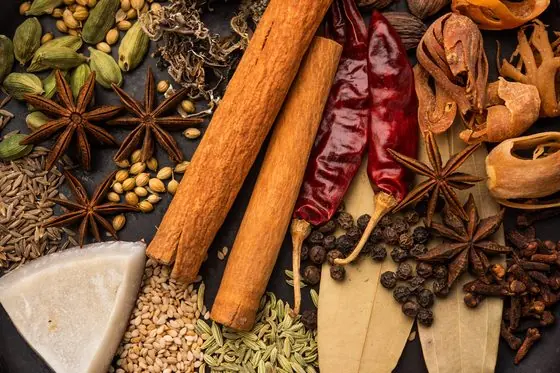
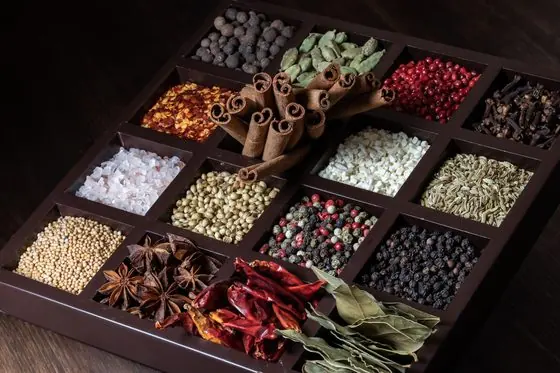
M01Kerala Garam Masala
The southern register — aromatic, not earthy
M10
The lace-edged breakfast, started the night before
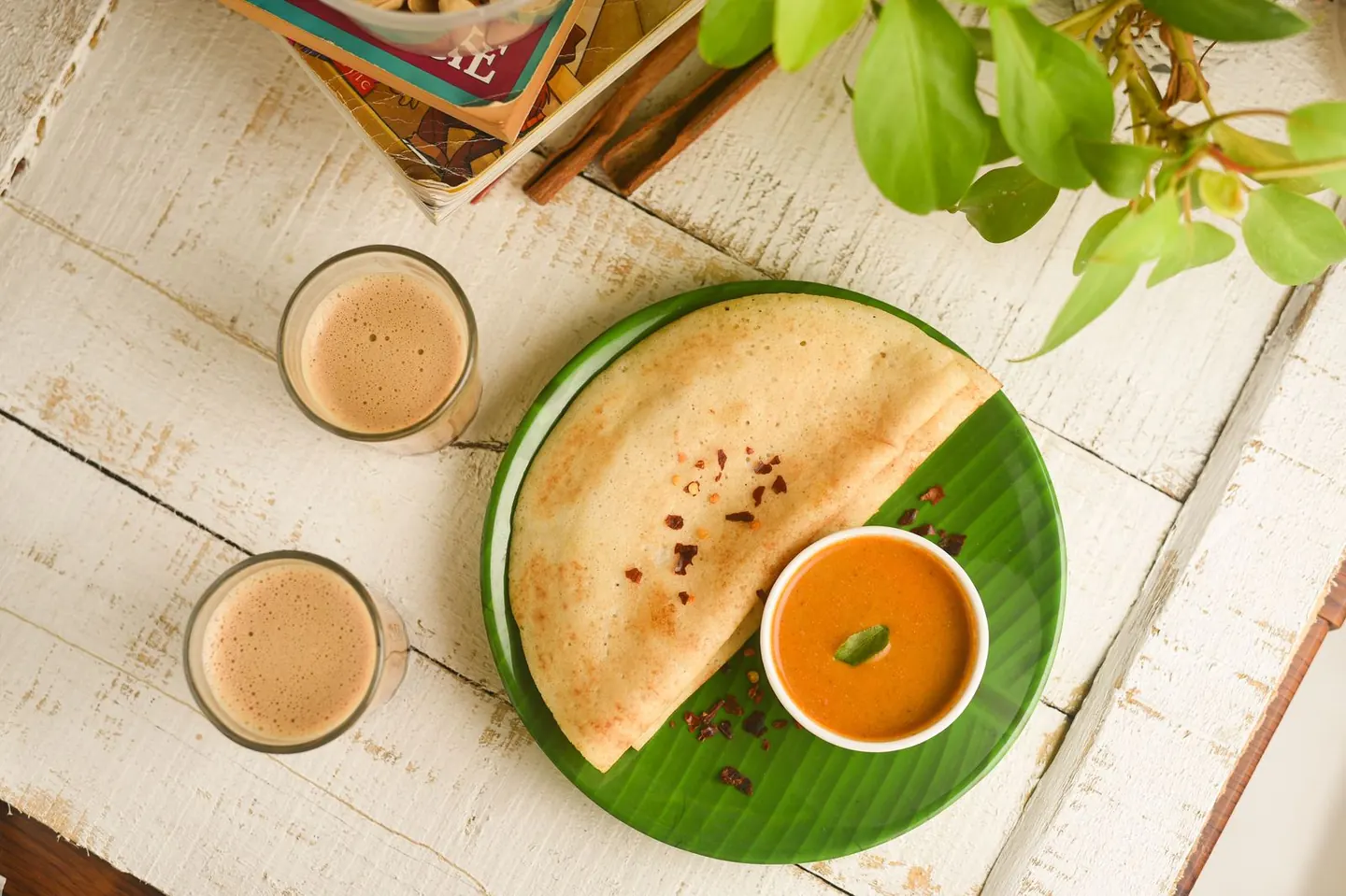
Photograph: Adobe Stock · representative of the dish
Plan ahead: including 8–10 hours fermentation — required.
The lace-edged breakfast, started the night before [LOW SODIUM] [VEGAN]
Appam is retreating from Kerala kitchens faster than any other traditional breakfast, for one reason: it has to be started the night before. That is a scheduling problem, not a cooking problem. A Sangam-era Tamil verse describes "delicate appams that are like honeycombs", still the best description anyone has managed — crisp lace at the rim, soft and spongy at the centre. Achaya notes that unlike dosa, the recipe has been essentially unchanged for centuries. Do not improve it. Start it at nine at night.
Before you start: Soak the rice in the morning if you plan to grind at night. Four hours is the minimum, eight is better.
Allergens: None of the major allergens.
Equipment: Appachatti — a small deep lidded pan with curved sides, 18–20 cm. Substitute: a small deep non-stick wok with a domed lid; the edges are less lacy but the appam is still an appam. Blender or wet grinder.
Any short- or medium-grain raw rice works; long-grain basmati does not, lacking the starch to set a lace edge. Where no Kerala grocer is available, Thai jasmine or an Italian risotto rice both make a good appam. The traditional leaven was kallu — fresh toddy, and Cochin Jewish households fermented the batter with it; instant yeast is the modern stand-in and is what these quantities assume.
Blood sugar: three appams are three servings of rice, whatever the fermentation did overnight, and this book will not tell you that fermentation lowers glycaemic index by a specific amount, because the measurement does not exist. What works: two appams rather than four, and never eating them naked. A vegetable stew or a kadala curry alongside changes the meal's glycaemic load far more than the batter could.
Parboiled rice for raw → sturdier, less lacy, more fibre and thiamine. A real gain on composition and a real loss on texture; try it and decide.
Toddy, or 60 ml coconut water plus a pinch of yeast → closer to the traditional article, slower, worth doing once.
Baking soda instead of fermentation → something appam-shaped in twenty minutes, with no fermented flavour, no lace and none of the digestibility gains. Call it what it is.
Yeast does not scale linearly; a double batch holds its own warmth.
Fridge 3 days — the batter sours slowly and day-two appams are often the best. Freeze the cooked appams 1 month, interleaved with paper, reheated in a covered pan 2–3 minutes. Do not freeze the batter; the starch network never recovers. Refrigerate as soon as the ferment is done: the BC Centre for Disease Control's fermented-foods guideline gives a fermented rice batter about a day at room temperature and five to seven days refrigerated, and three days is comfortably inside that.
Batter left after a morning's appams thickens and sours as it stands, which is not spoilage until it smells sharp rather than pleasantly sour. Thin it with 2 tablespoons of water, use it within 24 hours, and expect flatter appams with a stronger flavour. Very old batter makes good kallappam and poor palappam.
No lace, thick opaque edge: batter too thick, or you swirled twice.
Appam sticks: the pan was not hot enough before the oil went on.
Sour, flat batter: over-fermented. Use it for dosa or vellayappam, where sourness is an asset.
Centre wet after 3 minutes: the lid was off, or the ladle too generous for the pan.
Serve with
R001 Palappam · R010 Kadala Curry · R041 Kerala Chicken Stew · R025 Meen Moilee — and, more broadly, breakfast with vegetable or chicken stew, with egg roast, and as vellayappam and kallappam variants.
Tap a star to rate this recipe
The Kindle edition is on its way. Until it lands, the complete book — all 25 chapters and 137 recipes — is free to read here, and it stays free after.