 R024
R024Meen Vevichathu
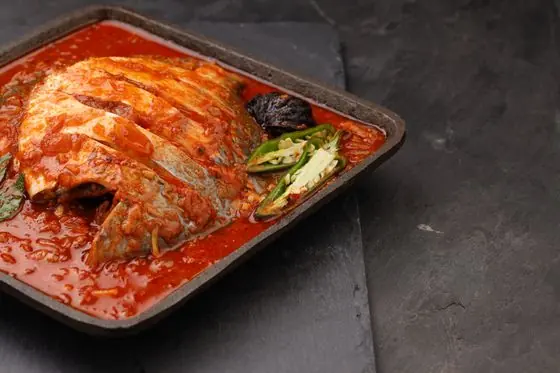
Kudampuli fish curry, the Kottayam Syrian Christian way
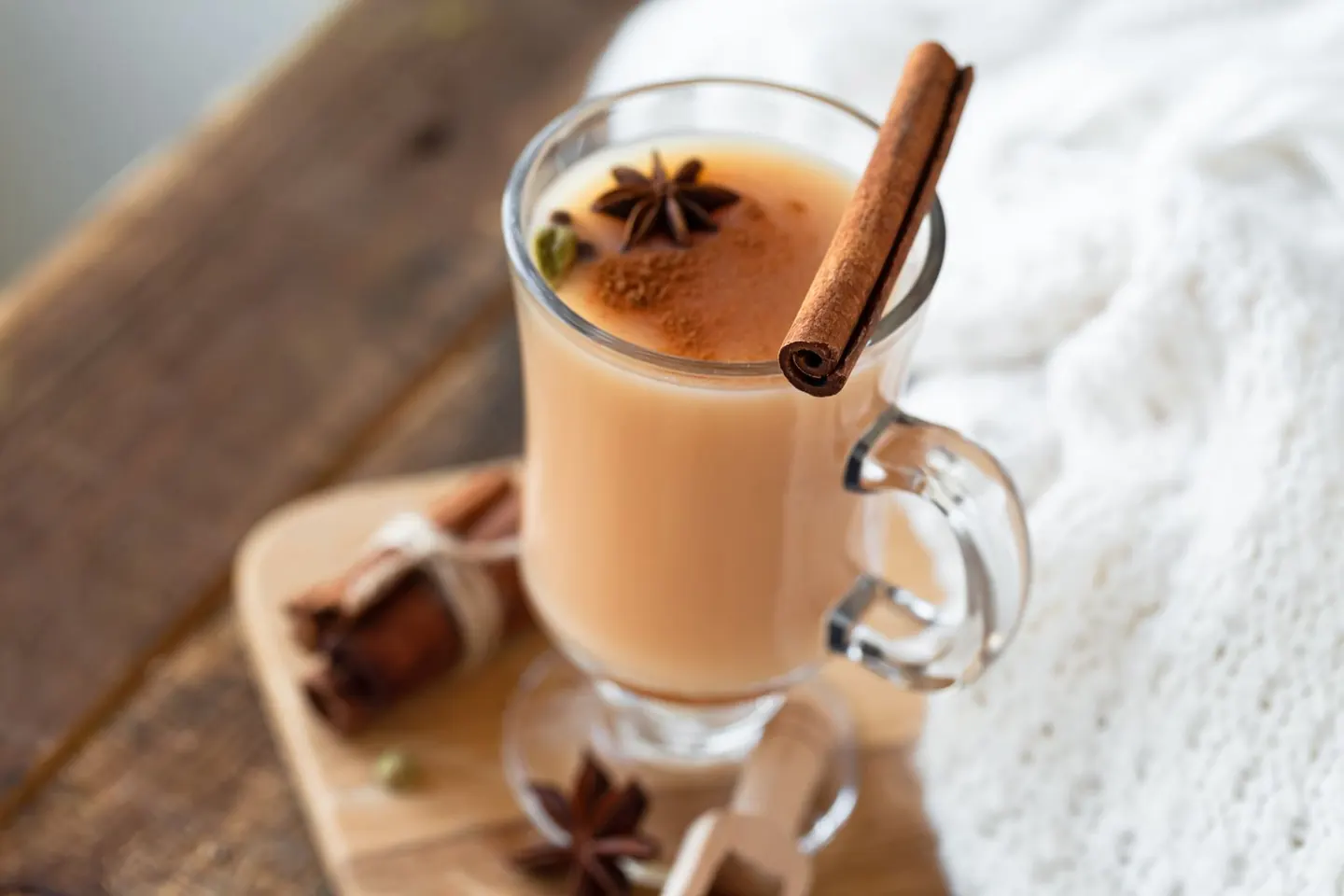
Photograph: Adobe Stock · representative of the dish
Peera — also peera pattichathu — is the driest and cleverest thing Kerala does with small fish. No gravy, no added water, no frying: the fish, grated coconut and aromatics go into a pot together and cook in the moisture the fish releases, until what comes out is a dry, savoury, faintly sour tumble you eat with rice and kanji. At 256 kcal for 24 g of protein it is close to the best protein-per-calorie dish in this book, and kozhuva at 19.88 g protein and 0.78 g fat per 100 g is why.
Before you start: Kozhuva must be cleaned properly and it is fiddly. Pinch the head and pull — the gut usually comes with it. Do them all before you start cooking; there is no pause in this recipe once the lid goes on.
Allergens: Fish.
Equipment: Heavy pan or clay pot with a well-fitting lid, 22–24 cm. No substitute for the lid: the entire method depends on trapping the fish's own moisture. A plate weighted with a jar will do.
| Energy | 256 kcal |
| Protein | 24 g |
| Fibre | 4 g |
| Net carbohydrate | 6 g |
| Total carbohydrate | 10 g |
| Sugars | 4 g |
| Fat | 15 g |
| Saturated fat | 12 g |
| Sodium | 250 mg |
From ICMR-NIN IFCT 2017 and USDA FoodData Central. Per-serving figures stay the same when you scale.
Fresh whole anchovies are the correct fish and they are not exotic. In the US: fresh anchovies on both coasts in season; smelt, or fresh sprats, are close enough. In the UK: sprats from October to February are the ideal substitute and are very cheap; whitebait works and needs no cleaning at all. In the Gulf: nehri is anchovy. In Australia: Australian anchovy or blue sprat. Do not use tinned or salted anchovies for this — they are a seasoning, not a fish, and the dish will be inedibly salty. Frozen cleaned kozhuva in Kerala shops is good and saves an hour of pinching heads.
Blood sugar: 6 g of net carbohydrate and 4 g of fibre. There is no lower-load protein dish in this chapter.
Blood pressure: 250 mg per serving, which is why this carries the low-sodium tag. The kudampuli does most of the seasoning work; you could halve the salt again and lose very little.
Cholesterol: 12 g of saturated fat, and unlike the coconut-milk curries it comes from 120 g of fresh grated coconut rather than from oil — so it arrives with 4 g of fibre and 4.6 g of protein attached. That is a genuinely different matrix from the same fat delivered as coconut oil, though it is not established that the difference changes LDL-C. To cut it: 80 g of coconut instead of 120 gives about 8 g of saturated fat, and the dish is drier and less generous.
No kozhuva → mathi (sardine) cut into 3 cm pieces, or sprats whole. Sardine peera is oilier and richer; drop the added oil entirely.
Prawns → 400 g small peeled prawns makes chemmeen peera, which cooks in 6–8 minutes total and is sweeter. Protein per serving falls to about 16 g. (Allergen: this swap introduces crustaceans.)
No kudampuli → 10 g tamarind pulp, or 20 ml lime juice added off the heat. The dish becomes brighter and slightly less savoury.
Desiccated coconut → do not. It has been dried and defatted, it absorbs the fish liquid without giving anything back, and the result is chalky. Frozen grated coconut, thawed, is fine.
Fridge 2 days in a covered container; it dries further and is arguably better cold. Freeze 1 month — the coconut survives, the fish texture suffers. Reheat dry in a pan over a low flame for 3–4 minutes, or eat it cold, which is what Kerala does.
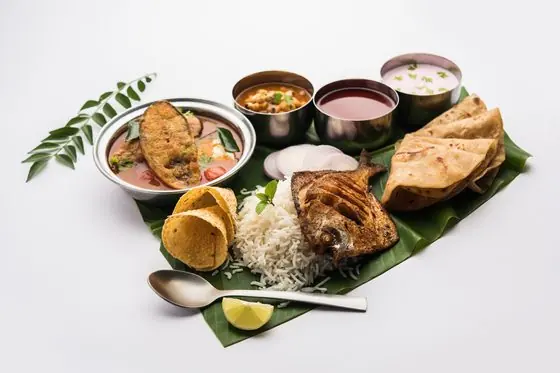
Peera is itself a leftovers format. Eat it cold with kanji (R020), which is the classic pairing, or fold it into an omelette, or press it into a rice ball for a lunchbox.
Wet and pasty: not enough time uncovered at step 5, or water was added. Keep going with the lid off.
Fish shredded to nothing: it was stirred with a spoon. Shake the pan.
Bitter: the fish were not gutted, or the turmeric burnt against the pan base at step 5. Lower flame, more shaking.
Bland: under-salted, or not enough kudampuli, or the coconut was stale. Peera depends entirely on fresh coconut and there is no way round it.
Serve with
R020 Kanji · R015 Matta Rice · R081 Moru Curry · R072 Pavakka Theeyal
Tap a star to rate this recipe
The Kindle edition is on its way. Until it lands, the complete book — all 25 chapters and 137 recipes — is free to read here, and it stays free after.