 R107
R107Sambharam
Spiced buttermilk, Kerala's summer drink
Photograph: Adobe Stock · representative of the dish
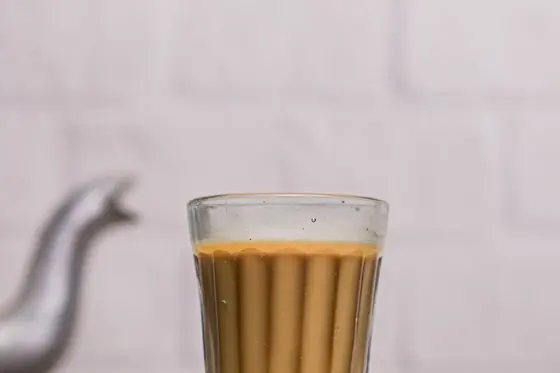
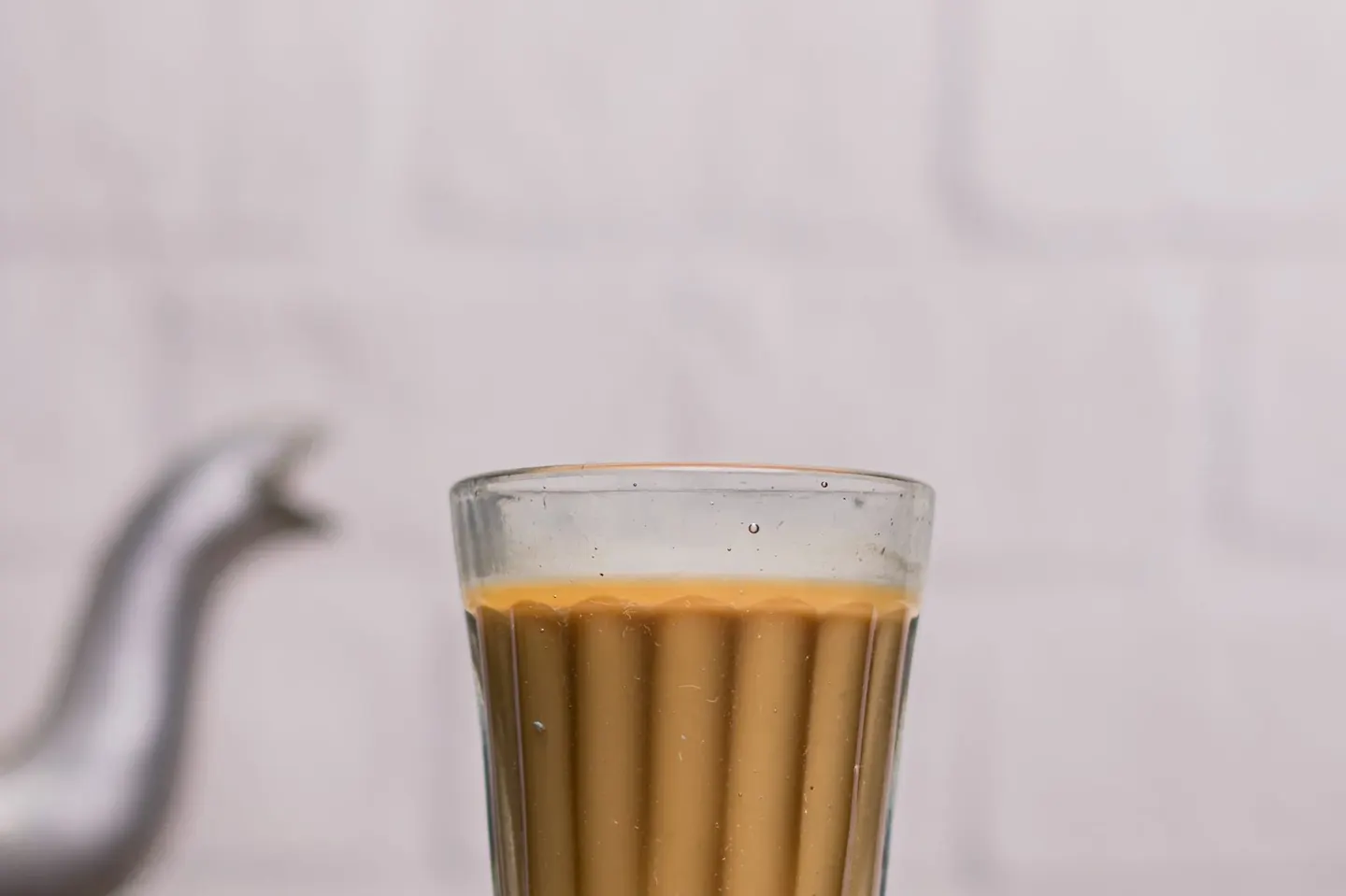
Sulaimani is the after-feast tea of Malabar, poured at the end of a Mappila wedding meal in small glasses, and it is a whole social institution rather than a beverage. The name is usually connected to Solomon — Sulaiman — and that connection is tradition offered as tradition, not documented etymology. What is not in doubt is the function: black tea, lime, a little spice, served scalding in clear glass after a heavy meal, and the reason it works is that it is astringent and sour at exactly the moment your mouth is neither. Learn to make it properly and sweet milky chai starts to taste like a compromise.
Before you start: Have the lime cut and the glasses out before the water boils. Sulaimani is served immediately and it does not tolerate standing on the leaf.
Allergens: None of the major allergens.
Equipment: Small pan; fine tea strainer; small clear glasses. Substitute: a teapot works, but you lose the brief boil with the spices, which is where most of the aroma comes from. The glasses are not decoration — you are meant to see the colour, and that is half of why a good sulaimani is satisfying.
| Energy | 2 kcal |
| Protein | 0 g |
| Fibre | 0 g |
| Net carbohydrate | 0 g |
| Total carbohydrate | 0 g |
| Sugars | 0 g |
| Fat | 0 g |
| Saturated fat | 0 g |
| Sodium | 0 mg |
From ICMR-NIN IFCT 2017 and USDA FoodData Central. Per-serving figures stay the same when you scale.
Use strong plain black tea rather than a flavoured or delicate one — Earl Grey fights the lime and a fine first-flush is wasted here. Kerala tea dust, sold in every grocery and by every Indian grocer abroad, is exactly right and cheap. Specify Ceylon cinnamon if you drink this daily. Cassia, the common supermarket cinnamon, carries coumarin, and at around 2 g a day a 60 kg adult reaches the tolerable daily intake; Ceylon carries very little, so liberal use is fine. That is a safety point, not a health claim — neither species has evidence of doing anything useful for blood glucose, and the positive meta-analysis in that literature found an HbA1c change of 0.09 percentage points, which is nothing.
Blood sugar: zero carbohydrate a glass. If you currently take sugar in tea, cut it by a quarter-teaspoon a fortnight rather than all at once — salt and sugar preferences both adapt over roughly 8–12 weeks, and a gradual reduction is far more likely to stick than a single steep cut you resent.
Blood pressure: no sodium. Note that tea does carry caffeine, at roughly the same as any strong black tea, and if you drink four glasses after an evening meal you may sleep worse — which matters, because sleep is one of the levers Chapter 5 takes seriously.
Cholesterol: replacing milky tea with black tea removes about 2 g of saturated fat a day per two glasses of milk given up. Small, real, free.
Lime → lemon, at about three-quarters the volume. Rounder, less perfumed, still good.
Cassia → Ceylon cinnamon, and prefer it if this is a daily drink, for the coumarin reason above. Ceylon is milder and more floral; cassia is hotter and more assertive.
No fresh lime → a thin strip of dried lime peel boiled with the spices. It gives the aromatic note without the acidity, so the drink is more fragrant and less cutting.
Want it sweet for a guest who expects it → 4 g jaggery per glass, about 16 kcal, and serve the jaggery on the side in a small dish so people sweeten their own. Hosting is easier when the decision sits with the guest.
Caffeine a problem in the evening → daahashamani, the Malabar boiled water of dry ginger, cardamom, clove and coriander seed, made the same way and steeped without tea. Caffeine-free, aromatic, and traditional in the same kitchens.
Make the spiced water ahead — boil the cardamom, clove and cinnamon in the day's water, and keep it hot in a flask; then it is 4 minutes to a glass at any point. Brewed sulaimani is best within 20 minutes and turns tannic and metallic after an hour. Fridge 24 hours if you want it iced, which is very good with extra lime. Do not freeze, except as ice cubes of the finished tea for iced sulaimani that does not dilute as it melts.
Cold sulaimani over ice with a little more lime is a better summer drink than most things in a bottle. It also makes a good braising liquid for a beef or duck dish, where the tannin firms the meat's surface and the lime cuts the fat.
Bitter and drying: over-steeped, or the leaf was squeezed in the strainer. Four minutes, no pressing.
Weak and watery even after four minutes: stale tea, or the water was not properly boiling when it hit the leaf. Tea dust brews stronger than leaf; use it.
Lime tastes cooked and slightly bitter: it went in too hot. Off the heat, and after the strain.
Cloudy when it cools: normal — that is tea cream, a harmless complex of polyphenols and caffeine that precipitates as the drink cools. It clears on reheating and does not affect taste.
Serve with
After R018-family biryani, after any Mappila feast, and at the end of the sadya in place of a sweet coffee · R105 Roasted Kadala Mix · R106, the chapter's chai strategy, which is where the sugar arithmetic above is worked through in full
Tap a star to rate this recipe
The Kindle edition is on its way. Until it lands, the complete book — all 25 chapters and 137 recipes — is free to read here, and it stays free after.