 R040
R040Nadan Kozhi Curry
The everyday country chicken curry
Recipes › Chicken, Egg and Meat
R041
Ishtu — white pepper, coconut milk, and the appam's partner
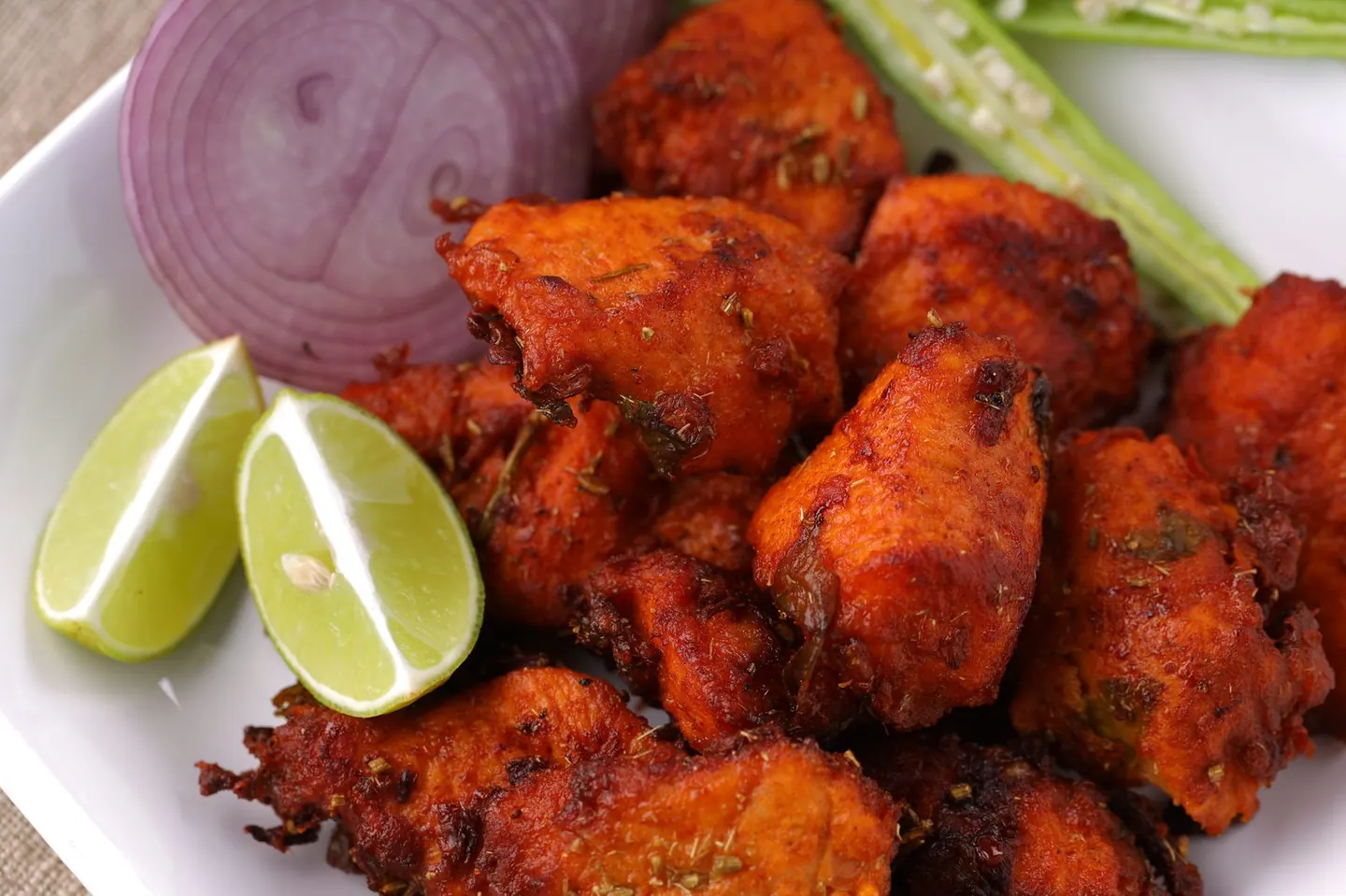
Photograph: Adobe Stock · representative of the dish
Note first that in central Kerala the Syrian Christian stew was traditionally made with beef or lamb; chicken stew is a late and comparatively rare variant, and the version most diaspora readers grew up on is the newest thing on the Easter breakfast table. What has not changed is the discipline. This is the least spiced dish in the chapter — white pepper, ginger, green chilli, whole cinnamon and clove, and nothing else — which means there is no masala to hide a broken emulsion behind. Get the thick milk right and this is the best argument in the book for restraint.
Before you start: This dish moves fast at the end and cannot be paused. Have the first-extraction milk measured, the extra white pepper ground, and the curry leaves picked before the chicken goes in.
Allergens: None of the major allergens.
Equipment: Heavy 26 cm pan with a lid. Substitute: a clay pot is traditional and holds heat too well for this dish — the residual heat keeps the thick milk at a simmer after you take it off the flame. If you use one, add the first milk after the pot has stood off the heat for two minutes.
| Energy | 431 kcal |
| Protein | 25 g |
| Fibre | 5 g |
| Net carbohydrate | 18 g |
| Total carbohydrate | 23 g |
| Sugars | 5 g |
| Fat | 28 g |
| Saturated fat | 17 g |
| Sodium | 380 mg |
From ICMR-NIN IFCT 2017 and USDA FoodData Central. Per-serving figures stay the same when you scale.
White pepper is the point of this dish and is not the same as black; it is the same berry, hulled, and it gives heat without the black pepper's woody top note or its colour, which matters in a stew that is meant to be ivory. Any Asian grocer has it. If you only have black, use two-thirds as much and accept a stew with freckles. Tinned coconut milk works here better than in most dishes: use it undiluted as the first extraction and 1:1.5 with water as the second.
Blood sugar: the potato carries most of the 18 g of net carbohydrate. Eaten with appam (R001) this is a two-starch meal; halve the potato to 125 g and add 125 g of green plantain instead, or eat the stew with a smaller quantity of appam and more of the stew.
Blood pressure: 380 mg. This dish takes salt reduction unusually well because the white pepper and ginger carry it — try 3 g of M07 and taste before adding more.
Cholesterol: 17 g of saturated fat, and about 13 g of that is the coconut milk. This is the clearest case in the chapter of the fat not being the meat. Dropping the first extraction to 80 ml removes about 2 g per serving; going below that and you have a soup, not an ishtu.
Beef or lamb, as it was originally → 500 g of stewing beef in 3 cm cubes, pressure-cooked 20 minutes before step 5, or simmered 70–90 minutes. Richer, and about 4 g more fat per serving.
Mutton → see R050, which is the same dish built properly around goat.
Potato → green plantain or elephant foot yam, weight for weight. Both land within 17.5–17.9 g of available carbohydrate per 100 g, so the arithmetic barely moves; chena brings 2.5 g of protein against potato's 2.
Tinned coconut milk → as in the sourcing note. Flavour is flatter and faintly cooked.
Make to step 5 up to a day ahead and finish with the thick milk on the day. Fridge 2 days — shorter than the fish curries, because the emulsion degrades. Freeze 1 month at step 5 only, never after the first milk goes in. Reheat below a simmer, and if it has separated a little, take it off the heat and swirl in 20 ml of fresh thick milk to bring it back.
Cold stew, chopped small and reduced, fills a pathiri or an omelette. The gravy alone, thinned with second milk, is a fine base for R080 mixed vegetable stew the next day.
Stew is beige, not ivory: the shallots browned at step 2. Lower flame, longer, next time.
Oily film and grainy texture: the first milk boiled. Off the heat, swirl, 90 seconds maximum.
Watery: too much water for the size of pan, or the lid let steam escape. Lift out the solids and reduce the liquid 4–5 minutes before adding the thick milk.
Serve with
R001 Appam · R007 Thattu Dosa · R062 Sprouted Moong Salad · R107 Sambharam
Tap a star to rate this recipe
The Kindle edition is on its way. Until it lands, the complete book — all 25 chapters and 137 recipes — is free to read here, and it stays free after.