 R040
R040Nadan Kozhi Curry
The everyday country chicken curry
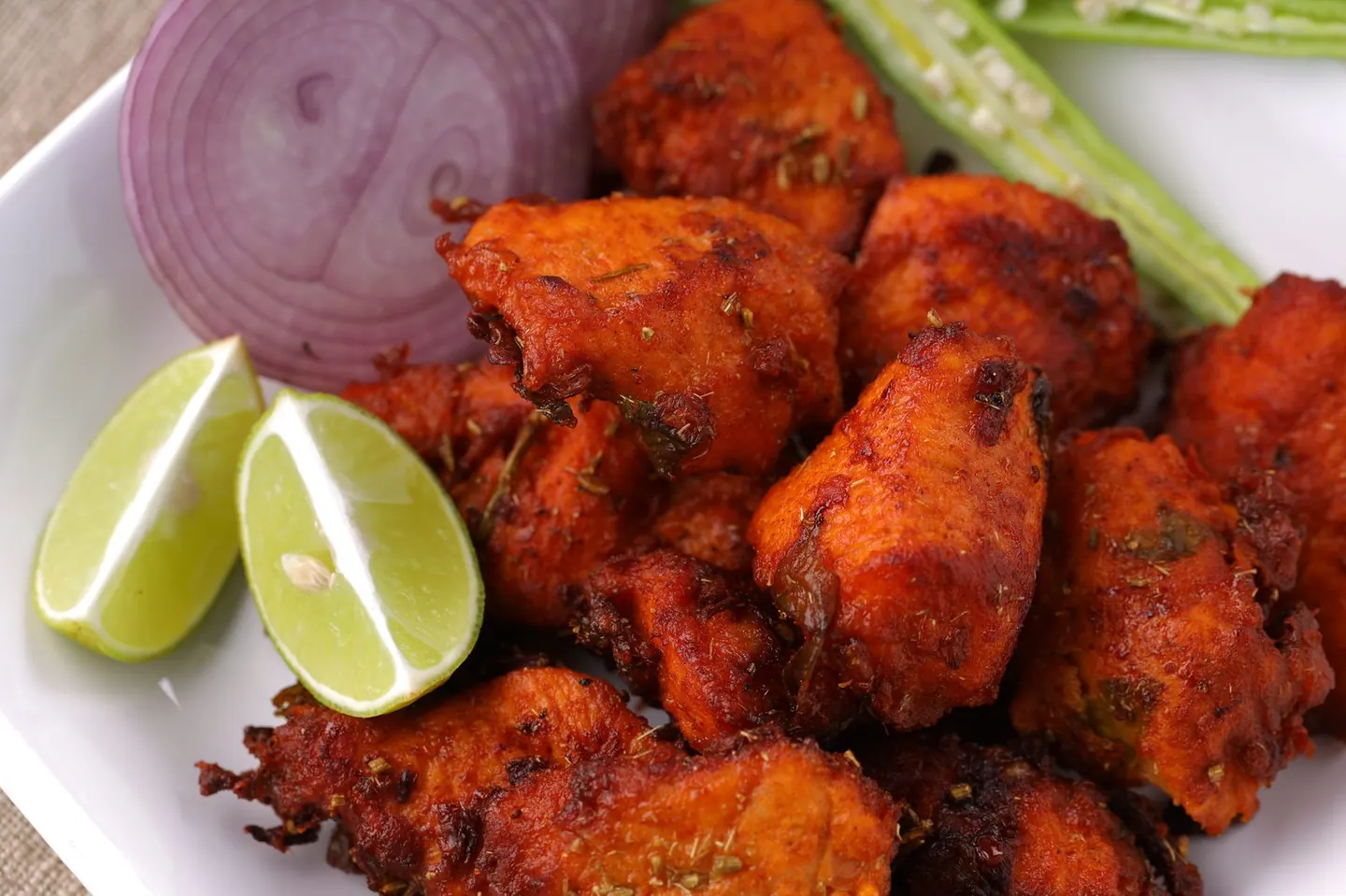
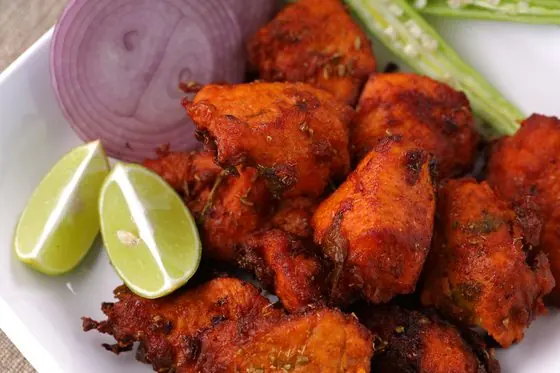
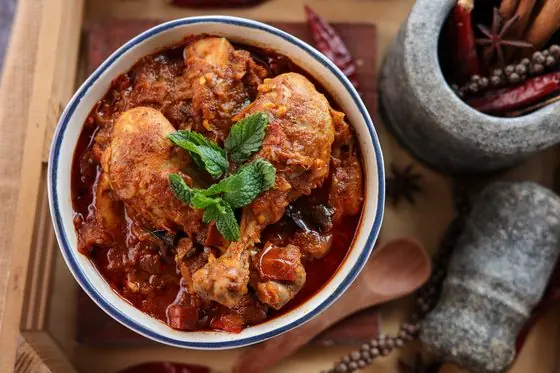
Photograph: Adobe Stock · representative of the dish
Kuttanad is one of the few places on earth where farming is done below sea level, and its cuisine is a cuisine of boats — duck, karimeen, toddy, kappa, rice. The ducks are herded across the paddy after harvest, eating what the reapers left, and duck mappas is the Syrian Christian dish that follows from that. It is richer and gamier than any of the chicken dishes here, it wants more pepper than seems reasonable, and it is worth the effort of finding duck.
Before you start: Skin the duck and trim the visible fat pads at the tail and neck before you begin — this is five minutes with a sharp knife and it is the single largest change in the recipe. Keep the skin and render it separately if you want to cook something else in duck fat; do not put it back in this pot.
Allergens: None of the major allergens.
Equipment: Pressure cooker or heavy lidded pot; clay manchatti if you have one for the final stage. Substitute: any heavy non-reactive pot. Duck's connective tissue needs sustained heat, so a thin pan will not do the braise.
| Energy | 379 kcal |
| Protein | 25 g |
| Fibre | 6 g |
| Net carbohydrate | 19 g |
| Total carbohydrate | 25 g |
| Sugars | 6 g |
| Fat | 22 g |
| Saturated fat | 16 g |
| Sodium | 380 mg |
From ICMR-NIN IFCT 2017 and USDA FoodData Central. Per-serving figures stay the same when you scale.
Kuttanad duck is a working bird — lean, dark, strongly flavoured. A supermarket Pekin duck is fattier and milder; skin it, trim it hard, and expect a gentler dish. Duck legs alone are the best-value option outside India and work better here than breast, which goes tough at braising temperatures. Frozen duck, thawed slowly in the fridge, is entirely acceptable.
Blood sugar: 19 g of net carbohydrate, mostly potato. Halve the potato or replace it with green plantain if the meal also has rice.
Blood pressure: 380 mg. The vinegar and the heavy pepper mean this dish will take 3 g of M07 without complaint, for about 325 mg.
Cholesterol: 16 g of saturated fat, of which roughly 13 g is coconut milk and 2.6 g the duck. Cooked with the skin on, the duck's contribution would be nearer 15 g on its own, which is the whole reason for step zero.
Skin left on → about 15 g more fat and 5 g more saturated fat per serving. Stated so you can choose; the flavour gain is real but small once the gravy is built.
Chicken → 700 g bone-in, braised 18–22 minutes at step 5, and leave the star anise out. This becomes R044.
Add 200 g of green plantain with the potato → six servings instead of four and a better-balanced plate.
No coconut vinegar → 15 g of tamarind pulp at step 6, or 20 ml of toddy if you have it, which is what a Kuttanad cook would have reached for.
Cook to step 6 a day ahead — this is a dish that genuinely wants the rest. Fridge 3 days. Freeze 2 months at step 5, before the potato and the thick milk. Reheat below a simmer, 8–10 minutes.
Shred the duck, reduce the gravy, and fill pathiri or appam with it. The bones make a good stock for R080.
Greasy, with a fat layer on top: the skin or the fat pads were left in. Skim it off with a spoon and skin the bird next time.
Duck tough: underdone. Duck legs need their full time; another 8 minutes under pressure.
Gravy tastes flat against the meat: not enough pepper or not enough vinegar. Duck can absorb far more of both than chicken.
Serve with
R001 Appam · R015 Matta Rice · R053 Vanpayar Thoran · R098 Inji Puli
Tap a star to rate this recipe
The Kindle edition is on its way. Until it lands, the complete book — all 25 chapters and 137 recipes — is free to read here, and it stays free after.