 R063
R063Cabbage Thoran
The master thoran: shredded cabbage, crushed coconut, turmeric
Recipes › Vegetables: The Half of the Plate
R074
Okra, cut on the diagonal and cooked dry until the slime is gone
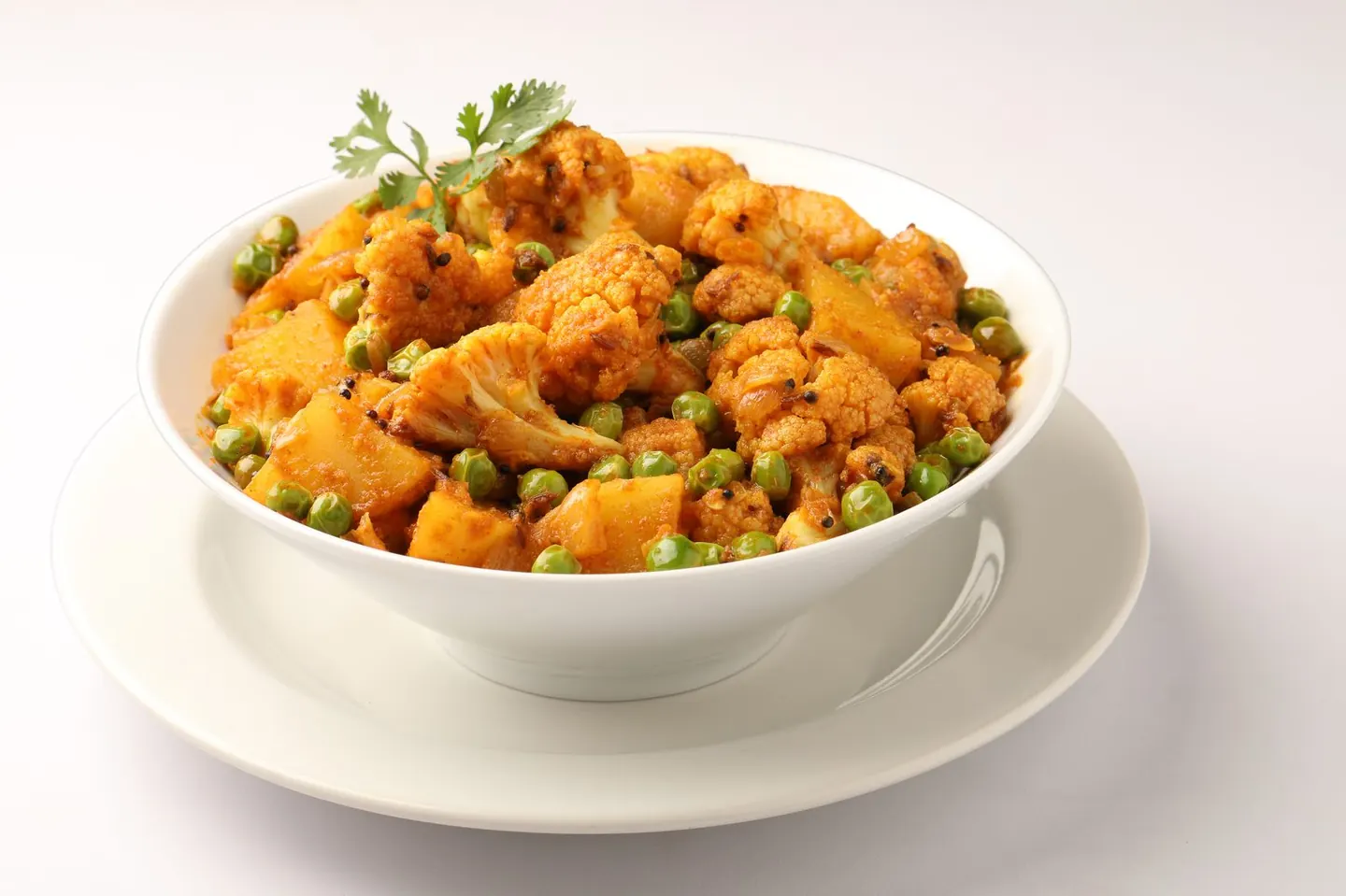
Photograph: Adobe Stock · representative of the dish
A second honest paragraph, of the same kind as R072's. The claim that soaking okra in water overnight and drinking it lowers blood sugar rests on animal studies: a systematic review of 11 studies in 388 rodents found positive effects on glycaemic markers, and this book found no verified human randomised trial of okra water at all. So the drink is not established in people. The vegetable, meanwhile, is genuinely useful — 27 kcal per 100 g with 4.1 g of fibre, 1.3 g of it soluble — and eating it delivers far more of that soluble fibre than steeping it in water ever could.
Before you start: Wash the okra and dry it completely — spread it on a cloth for 20 minutes, or the day before. Cutting wet okra releases mucilage before it ever reaches the pan, and no amount of technique afterwards fully recovers from it.
Allergens: None of the major allergens.
Equipment: Widest heavy pan you own, 28 cm, no lid. Substitute: a wok. What you must not use is a small deep pan, which traps steam and guarantees slime.
| Energy | 66 kcal |
| Protein | 2.8 g |
| Fibre | 5.4 g |
| Net carbohydrate | 6.1 g |
| Total carbohydrate | 11.5 g |
| Sugars | 2.7 g |
| Fat | 3.4 g |
| Saturated fat | 2.5 g |
| Sodium | 260 mg |
From ICMR-NIN IFCT 2017 and USDA FoodData Central. Per-serving figures stay the same when you scale.
Okra is in every Indian, Middle Eastern, Caribbean and West African grocer and in most large supermarkets, and freshness is the only thing that matters: a pod should snap cleanly, and one that bends is old and will be stringy and slimy whatever you do. Choose pods under 10 cm. Frozen cut okra is the one frozen vegetable in this chapter that does not work for this dish — it thaws to mucilage — but it is fine in a sambar. Tinned okra is unusable.
Blood sugar: 6.1 g net carbohydrate and 5.4 g fibre at 66 kcal for a 110 g serving. This is the lowest-energy dish in the chapter and one of the two or three most useful in the book for building volume onto a plate. Serve 200 g of it if you like.
Blood pressure: 260 mg sodium, or about 195 mg with M07.
Cholesterol: 2.5 g saturated fat, and about 0.6 g if you make it with groundnut or sesame oil, which works well here.
Coconut oil → groundnut, sesame or rice bran oil. Saturated fat falls to about 0.6 g per serving. Recommended for this dish. (Allergen: this swap introduces peanuts, sesame.)
Add 100 g halved cherry tomatoes at step 5 → sweeter and wetter, and it becomes a different dish that wants eating with chapatti rather than rice.
Okra → 450 g runner beans cut on the diagonal, or 450 g courgette batons. Neither is okra; both take the same treatment and the courgette needs a hotter pan.
Add 60 g grated coconut at the end → this is now vendakka thoran, and it is very good. Energy rises to about 120 kcal per serving.
Cook eight servings as two separate batches without exception. Okra in a crowded pan steams, and steamed okra is slime.
Not a make-ahead dish. Wash and dry the okra up to 1 day ahead, which genuinely helps. Fridge 2 days, and it softens. Do not freeze. Reheat in a dry pan over a high flame, 2–3 minutes.
Chop cold and fold into curd with a pinch of M06 for an improvised pachadi, or drop into a sambar in the last two minutes.
Slimy: wet okra, a crowded pan, a lid, or stirring in the first five minutes. One of those four, always.
Tough and stringy: the pods were old. There is no fix in the pan.
Burnt outside, raw inside: flame too high with pieces cut too large. Two centimetres, medium-high.
Serve with
R015 Matta Rice · R059 Sambar · R067 Beetroot Thoran · R070 Kalan
Tap a star to rate this recipe
The Kindle edition is on its way. Until it lands, the complete book — all 25 chapters and 137 recipes — is free to read here, and it stays free after.