 R107
R107Sambharam
Spiced buttermilk, Kerala's summer drink
R109
Cumin and fenugreek steeped overnight — the preparation, and the correction
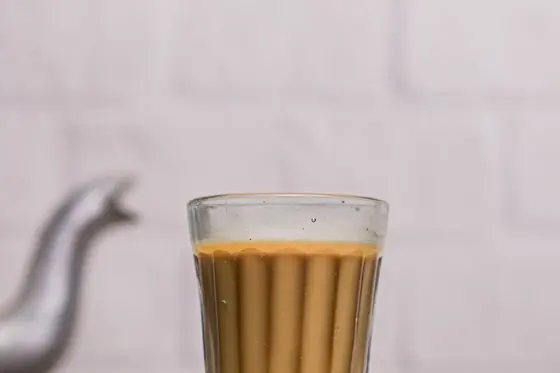
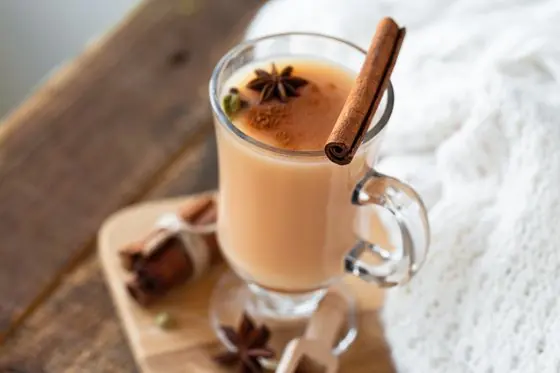
Photograph: Adobe Stock · representative of the dish
Plan ahead: overnight soaking.
This is the most widely forwarded health drink in Malayali family groups, and it deserves to be treated seriously rather than mocked, because the people sending it are trying to look after each other. So here is the preparation, made properly, followed by exactly what the evidence supports and exactly what it does not. It is a decent morning drink: warm, faintly bitter, aromatic, and about 20 kilocalories. What it is not is a treatment, and nobody should be quietly reorganising their diabetes care around it.
Before you start: Nothing moves fast here. But start it the night before, or it will not happen.
Allergens: None of the major allergens.
Equipment: A 500 ml glass jar or a covered tumbler. Substitute: any cup with a saucer on top; the point is only to keep dust out overnight.
Both seeds are in every South Asian grocery and most large supermarkets. Buy fenugreek in small quantities and keep it airtight — it is a hard seed and keeps a year, but it picks up other smells readily. Choose seeds that are uniform mustard-yellow and free of dust; grey, dull seed is old and tastes of nothing but bitterness. Fenugreek powder does not work here: it does not swell, it clouds the water, and it goes slimy.
Blood sugar: the honest positioning is this — a glass of fenugreek water is a reasonable habit and a poor intervention. If you want fenugreek's glycaemic effect, the food route is soaked seeds eaten in quantity, methi leaves cooked as a green, sprouted fenugreek in a salad, and a generous measure of fenugreek in your dosa and idli batters (M11, M12). Doing that is a decision to take a supplement-level dose through food, and it belongs in a conversation with your clinician rather than in a forwarded message.
Blood pressure: no sodium and no evidence of an effect. Neutral.
Cholesterol: the lipid findings for fenugreek are inconsistent across syntheses — one found total cholesterol, LDL and triglycerides all improved, another found LDL unchanged. The fair statement is that fenugreek may modestly improve the lipid panel, with inconsistent findings for LDL specifically, at doses far above this glass.
Fenugreek seed → fenugreek sprouts, 30 g. Soak 12 hours, drain, sprout 24–36 hours. Far less bitter, easier to eat in quantity, and a better route to a real dose. You lose the drink.
Cumin → fennel or coriander seed. Sweeter and more aromatic respectively; the evidence position is identical, which is to say there is none.
Cannot tolerate the bitterness → soak in cold rather than hot water, add cardamom, and finish with lime. If it is still unpleasant, stop. A drink you have to force down for a benefit this uncertain is not worth the fortnight.
Soak overnight; drink in the morning. Fridge 24 hours once soaked — beyond that the gel goes stringy and the seeds begin to ferment, which you will smell. Do not freeze. Do not soak for more than about 12 hours at room temperature in a warm kitchen.
Unbearably bitter: hot-water soaking, or old seed. Switch to cold water and buy fresh seed.
Slimy and unpleasant to swallow: that is the galactomannan, and it is the only part with a plausible mechanism. Stir it into the water rather than letting it sit as a film, drink it cold, and it is much easier.
No effect on your readings after a month: that is the expected result at this dose, and it is the reason this recipe is written the way it is.
Serve with
Nothing — this is a first-thing-in-the-morning drink and it does not want company. If you want breakfast to follow, R001–R014 all pair better with it than a sweet tea would · M11 idli and dosa batter · M12 ragi-matta dosa batter
Tap a star to rate this recipe
The Kindle edition is on its way. Until it lands, the complete book — all 25 chapters and 137 recipes — is free to read here, and it stays free after.