 R001
R001Palappam
The lace-edged fermented appam, the Syrian Christian breakfast bread
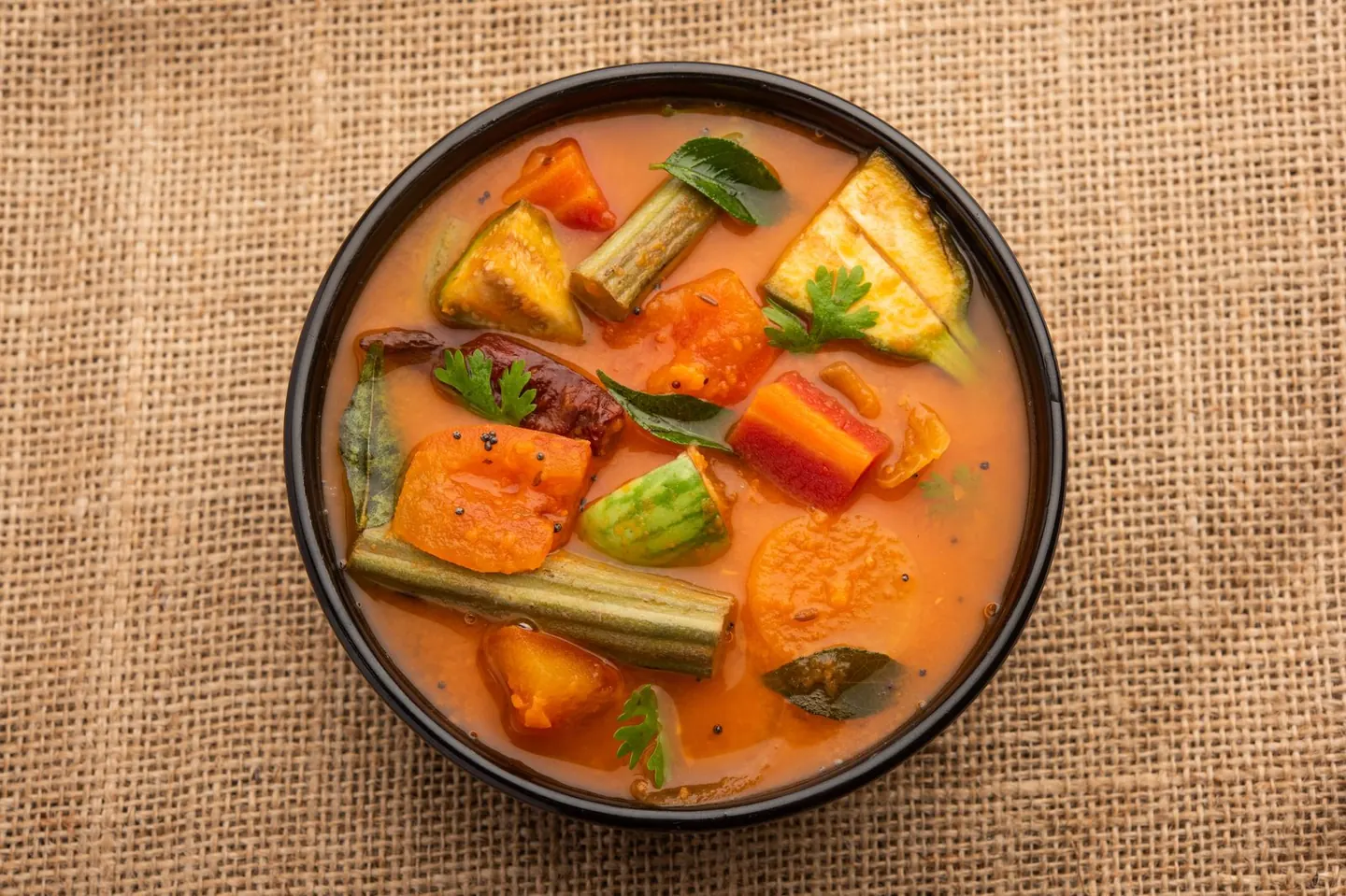
Photograph: Adobe Stock · representative of the dish
Plan ahead: plus 8–12 hours soaking — required.
This is the most important recipe in the chapter, and it has nothing to do with the chickpeas being fashionable. It is the protein and the fibre that make every other page here work. Black chickpeas — kadala, kala chana — carry 25.22 g of fibre per 100 g, the highest of any pulse in the Kerala repertoire by a wide margin, and 18.77 g of protein. One serving of this curry is 13 g of protein and 19 g of fibre. Put it beside R002 and you have the breakfast this whole book is arguing for.
Before you start: The chickpeas must be soaked overnight. There is no shortcut worth taking — unsoaked kadala needs 45 minutes under pressure and comes out with a chalky centre.
Allergens: Mustard.
Equipment: Pressure cooker, 3 litres or larger. Substitute: a heavy lidded pan, at a cost of 60–90 minutes of simmering and about 400 ml more water. A slow cooker on high for 4–5 hours also works and needs no watching.
| Energy | 205 kcal |
| Protein | 13 g |
| Fibre | 19 g |
| Net carbohydrate | 13 g |
| Total carbohydrate | 32 g |
| Sugars | 7 g |
| Fat | 11 g |
| Saturated fat | 7 g |
| Sodium | 280 mg |
From ICMR-NIN IFCT 2017 and USDA FoodData Central. Per-serving figures stay the same when you scale.
Ask for kadala, kala chana or black chickpeas in any South Asian grocery; Middle Eastern and African shops carry them too. They are small, dark and wrinkled, and they are not interchangeable with the large pale chickpea, which cooks softer, tastes blander and carries about 15 g of fibre per 100 g rather than 25. Tinned brown chickpeas are a legitimate Tuesday shortcut at 480 g drained, rinsed well because the brine is where the sodium is — but you lose the dark cooking liquid, which is where the colour and much of the flavour live. Make up the gravy with 400 ml water and a little extra M09.
Blood sugar: this is the dish the chapter is built around. Brown rice with 50 g of legumes a day lowered five-day glycaemic iAUC by 22.9% against white rice in overweight Asian Indians, against 19.8% for the brown-rice swap alone (Mohan et al., 2014) — 15 participants over five days, so a mechanism demonstration rather than an outcome trial, and the direction is what matters. One serving here is well over 50 g of cooked pulse.
Blood pressure: 280 mg a serving against a 2,000 mg daily target, and pulses at about 130 g a day lowered systolic pressure by 4.5 mmHg as part of a low-glycaemic diet in a three-month trial of 121 adults with type 2 diabetes (Jenkins et al., 2012).
Cholesterol: 7 g of saturated fat, almost all of it the roasted coconut. Pulses at a median 130 g a day lowered LDL cholesterol by 0.17 mmol/L across 26 trials (Ha et al., 2014), so this dish is working in both directions at once. The swap below cuts the saturated fat by half if that is your priority.
One M09 portion instead of two, made up with 40 g roasted chana dal ground with water → saturated fat falls from 7 g to about 4 g a serving with much the same thickening, at a real cost in aroma. The most useful swap on this page.
Vanpayar or muthira for the kadala → both work in the same method. Vanpayar cooks faster and carries 11.54 g of fibre per 100 g; muthira is the leanest pulse in the repertoire at 0.62 g of fat and needs an overnight soak and a longer cook.
No M09 at all, and 120 ml of second-extraction coconut milk stirred in off the heat → a paler, milder curry, closer to a Malabar kadala. Saturated fat is similar; the depth is not.
No M15 → build the base fresh with 150 g sliced shallots, 100 g tomato and 5 g oil, and add 25 minutes to the active time.
At eight servings, pressure-cook in two batches or use a 6-litre cooker no more than two-thirds full.
Better on day two, unambiguously — the gravy thickens and the chickpeas absorb it. Fridge 4 days in a covered container. Freeze 3 months in portions; the texture holds up completely, which makes this the best freezer dish in the chapter. Reheat gently with a splash of water, 5–6 minutes, or from frozen in a covered pan 10–12 minutes.
Drain the chickpeas from the gravy, crush them coarsely with grated coconut and a green chilli, and fry for 4–5 minutes for a kadala thoran. Or thin the whole thing with water and eat it as a soup with a squeeze of lime, which is better than it sounds.
Chickpeas still hard after pressure-cooking: old stock, or too little soaking. Give them another 8–10 minutes under pressure; salt added at step 1 also slows softening, which is why it goes in at step 5.
Thin, watery gravy: not reduced long enough, or the cooking liquid was discarded. Crush a spoonful of chickpeas against the pan and simmer 5 minutes more.
Bitter, ashy taste: the M09 was roasted past dark toast. Nothing buries it.
Gravy tastes flat: the powders were not fried at step 3, or it needed the 10-minute stand at the end.
Serve with
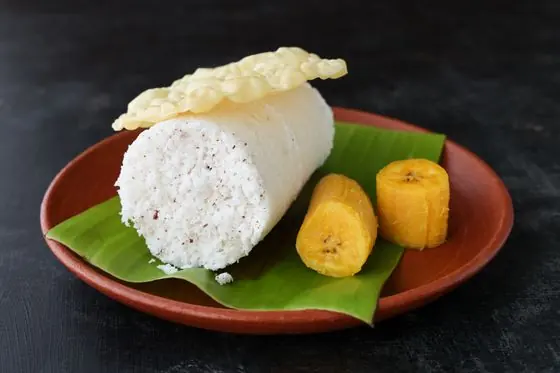
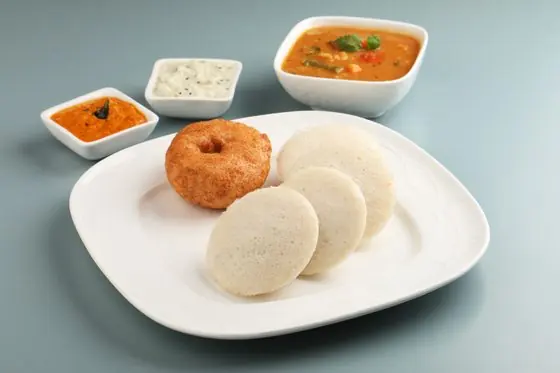
R002 Puttu, Matta Rice — the classic pairing and the point of both recipes · R001 Palappam · R005 Idiyappam · R006 Idli · R015 Matta Rice
Tap a star to rate this recipe
The Kindle edition is on its way. Until it lands, the complete book — all 25 chapters and 137 recipes — is free to read here, and it stays free after.