 R001
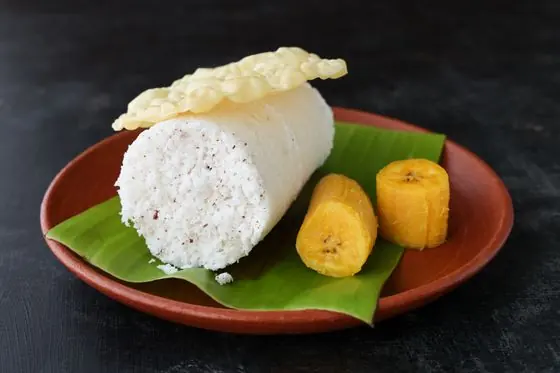
R001Palappam
The lace-edged fermented appam, the Syrian Christian breakfast bread
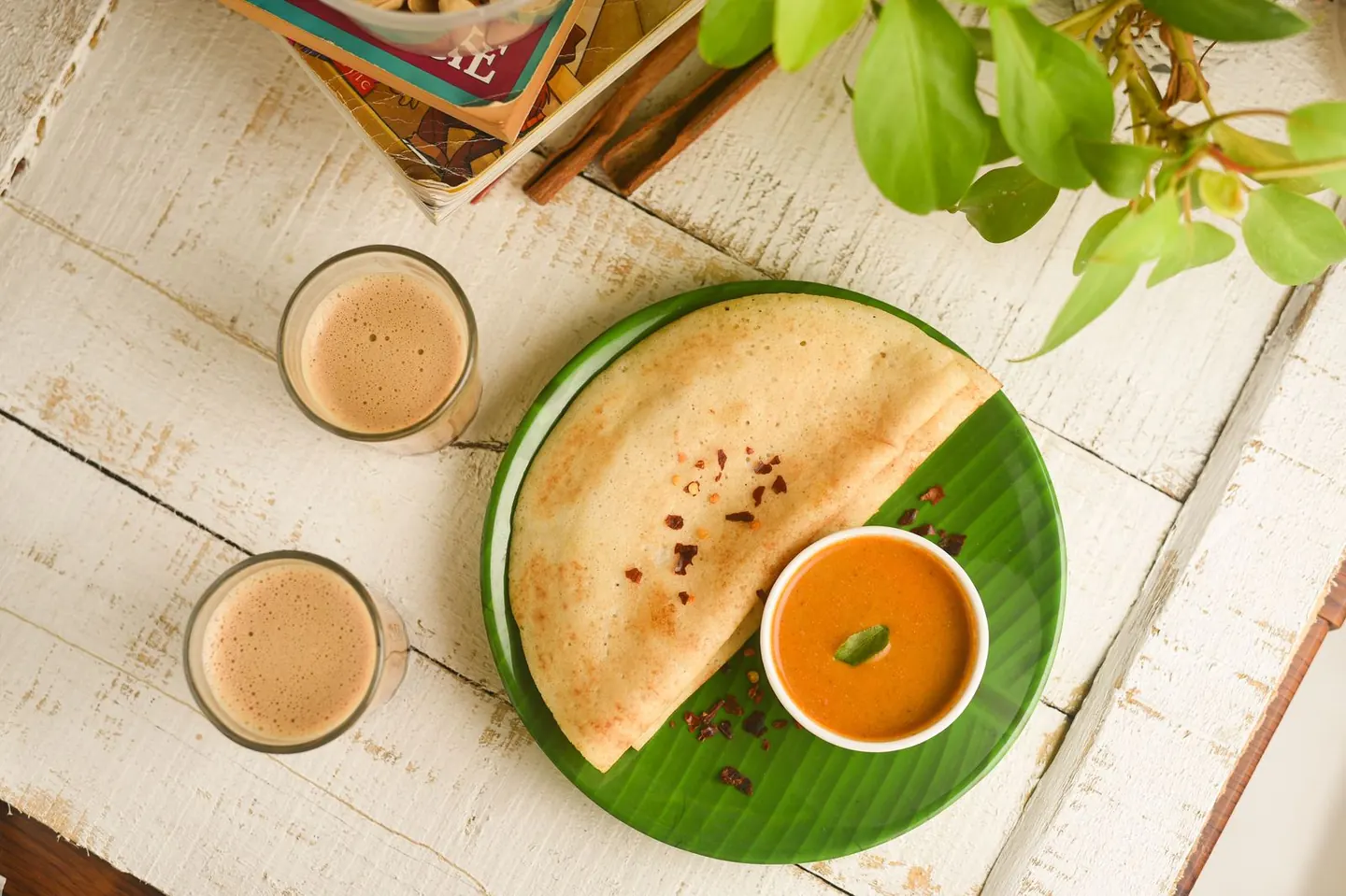
Photograph: Adobe Stock · representative of the dish
Plan ahead: plus 14 hours soaking and fermenting the M11 batter — required.
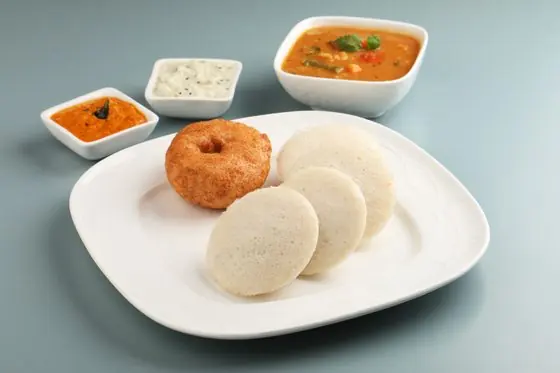
The rice-and-black-gram pairing is one of the oldest pieces of applied nutrition in India, and it works for a reason nobody could have known when it was devised — rice is short on lysine and black gram on methionine, so together they make a better protein than either alone. Ferment the two and you get lift, mild sourness, better digestibility and, through phytases activated as the pH falls, better access to the grain's iron and zinc. An idli carries almost no fat. Almost everything served with it does.
Before you start: Have the steamer at a rolling boil before the batter goes into the plates. Batter that stands in the moulds waiting for the water loses its gas and steams flat.
Allergens: None of the major allergens as the recipe is written. Sesame — only if you grease with sesame rather than coconut oil.
Equipment: Idli steamer with plates. Substitute: a stacked steamer with small greased bowls or ramekins, filled two-thirds; the idlis come out taller and perfectly good.
| Energy | 217 kcal |
| Protein | 7 g |
| Fibre | 3 g |
| Net carbohydrate | 43 g |
| Total carbohydrate | 46 g |
| Sugars | 1 g |
| Fat | 2 g |
| Saturated fat | 1 g |
| Sodium | 360 mg |
From ICMR-NIN IFCT 2017 and USDA FoodData Central. Per-serving figures stay the same when you scale.
Whole skinned urad dal gives more lift than split, and the M11 quantities assume it. Chilled ready-made idli batter is sold in South Asian groceries in most Western cities and is a legitimate weeknight shortcut — read the label for added soda, which produces rise without fermentation and without the flavour or the digestibility. For rice, ask for unda kuthiya or under-milled parboiled rice: polish is the lever, since glycaemic index in one Indian parboiled variety rose from 57.6 unpolished to 79.6 at 9.7% polish.
Blood sugar: three idlis is 43 g of net carbohydrate. Four idlis is a large rice portion, whatever the fermentation did overnight, and no measured glycaemic index for idli is offered in this book because the data do not exist. Three idlis, a bowl of sambar with real dal in it and a vegetable thoran is the plate this book argues for.
Blood pressure: 360 mg a serving with M07, and roughly 520 mg with plain salt — the highest sodium figure among the grain dishes here, because the batter is salted throughout. The chutney beside it usually carries more again. Cut the batter salt to 4 g in M11 if blood pressure is your working number.
Cholesterol: under 1 g of saturated fat. This is the leanest cooked dish in the chapter.
Add 60 g grated carrot, 40 g chopped coriander and a slit green chilli to the batter before steaming → a vegetable idli, up about 2 g of fibre a serving, and children eat it.
Ragi batter M12 in the idli plates → soft, dark, slightly heavier idlis with about 2 g more fibre. Steam them 2 minutes longer.
Ready-made chilled batter → saves 14 hours, loses some sourness, and the dal fraction is usually lower than M11's, so the protein drops by about 1 g a serving.
Batter keeps in the fridge 4 days, worsening for idli as it sours while improving for dosa. Steamed idlis hold 2 days refrigerated. Freeze the steamed idlis 1 month in bags. Reheat by re-steaming 4–5 minutes from chilled or 5–6 minutes from frozen. Refrigerate the batter within 2 hours of the ferment finishing in a warm kitchen, or it overshoots.
Cut cold idlis into cubes and toss them in a pan with mustard, curry leaf, sliced shallot and a spoonful of M06 for 4–5 minutes — podi idli, and better than the original for many people. Or crumble them into a pan with leftover pulse curry.
Flat, dense idlis: the dal was under-ground, or the batter over-fermented and collapsed. The same symptom from opposite causes.
Idlis stick to the plates: not greased, or unmoulded hot. Rest them 2–3 minutes.
Sour, sharp taste: over-fermented. Use the rest of the batter for dosa.
Wet, gummy centre: moulds overfilled, or the steamer lid dripped condensation into them. Wrap the lid in a cloth.
Serve with
R010 Kadala Curry · R011 Cherupayar Curry · R089 Kerala Kitchen Salad · M06 with a few drops of sesame oil
Tap a star to rate this recipe
The Kindle edition is on its way. Until it lands, the complete book — all 25 chapters and 137 recipes — is free to read here, and it stays free after.